
Experience AI: Reaching millions of young people with AI literacy
AI is shaping the world young people are growing up in, and understanding how it works, as well as its benefits and risks, is now essential.
That’s the goal of Experience AI, our global education programme created in collaboration with Google DeepMind. Today, as we celebrate three years of the programme, we’re sharing our latest impact report, highlighting how the programme is helping educators and young people around the world build the knowledge and confidence to engage with AI critically and responsibly.
From tens of thousands of educators to millions of learners
Since launching 3 years ago in April 2023, Experience AI has grown into a truly global initiative:
- More than 30,000 educators trained, who can reach an estimated 2.9 million young people
- Over 700,000 resource downloads across 180+ countries
- A network of partners in 38 countries
- Resources available in 19 languages
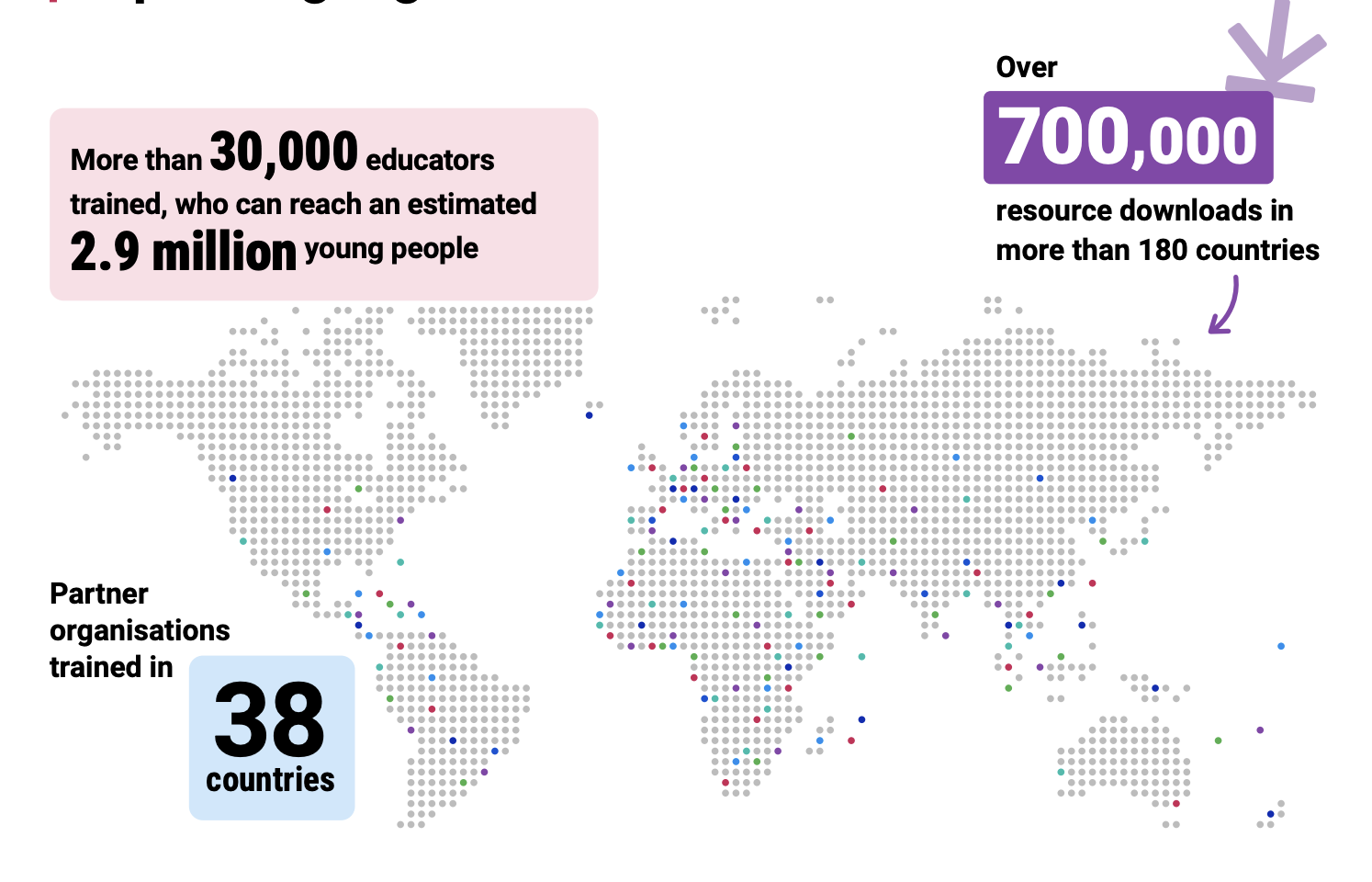
These numbers reflect the growing global demand for AI literacy teaching, and the power of partnerships to meet that need.
But the real impact is what happens in classrooms.
From “AI is complicated” to confident teaching
For John Pierce, a teacher at Mwingo Academy Primary School in Kenya, AI once felt out of reach. “I thought that AI was complicated — maybe a puzzle”

After taking part in Experience AI training, John’s perspective shifted. With structured lessons and ready-to-use resources, he now helps his students see AI as something they can understand and engage with.
“My learners are really enjoying the lessons… They keep asking, ‘Teacher, when are you having computer classes?’”
John’s experience reflects what we see across the programme: when teachers feel confident, students become curious, engaged, and motivated to learn more, often continuing those conversations beyond the classroom.
Building confidence, not just knowledge
A core focus of Experience AI is supporting educators, many of whom are new to teaching AI concepts. Our evaluation shows this approach is working:
- 93% of educators say the training increased their knowledge of AI concepts
- 87% report increased confidence in teaching AI
In Malaysia, educator Lee Siew Ling had previously struggled to explain AI concepts clearly. “Before this, I just shared simple examples… It was too hard to explain the concepts clearly to my students.”

With Experience AI resources, that changed. “The materials make it easier to teach AI… After using them, I became more confident to guide my students.”
By reducing preparation time and providing clear, structured lessons, the programme enables teachers to focus on what matters most: supporting their students’ learning.
Helping young people understand, and question, AI
The impact extends directly to learners. Across classrooms worldwide:
- 89% of students say they better understand what AI and machine learning are
- 87% say they better understand the benefits and risks of AI
This is critical. AI literacy isn’t just about using technology, it’s about understanding how it works, questioning it, and recognising its societal impact.

At Wymondham College in the UK, Head of Computing, Kim Williams highlights the value of having trusted, research-informed resources: “Experience AI gave us a real structure to follow… It helps us deal with misconceptions and gives students the right messages.”
Through these lessons, students are not just learning about AI, they are developing the critical thinking skills they need to navigate a world shaped by it.
A global effort to democratise AI education
Experience AI’s reach is only possible through collaboration. Working with partners around the world, we localise content to make it relevant to different cultures and contexts, ensuring that AI education is not only accessible, but meaningful.
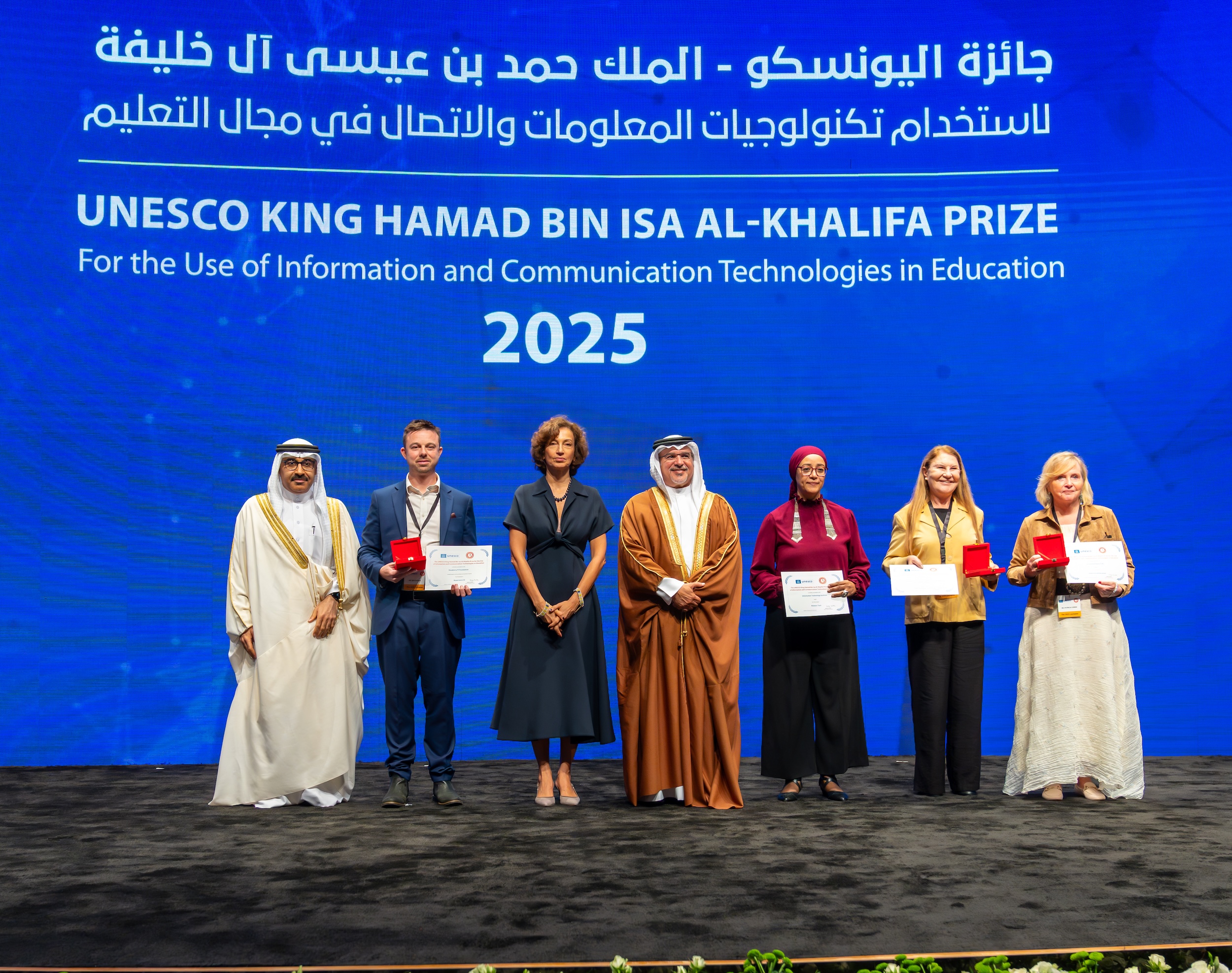
This work has also been recognised globally. In 2025, Experience AI was named a laureate of the UNESCO King Hamad Bin Isa Al-Khalifa Prize for the Use of ICT in Education, highlighting its strong ethical foundations and international impact.
Looking ahead
We’re continuing to expand and evolve the programme, updating resources, developing new materials for different age groups, and growing our global partner network.
By the end of 2026, we expect to reach over 45,000 educators who can reach an estimated 4.4 million young people.
Because the challenge is clear: AI literacy should not be limited to a few. Every young person deserves the opportunity to understand and shape the technologies influencing their future.
Read the full Experience AI impact report to explore the data, stories, and insights behind this work. rpf.io/expai-impact





No comments