Fostering Kenya’s computing education ecosystem
In November, our first-ever Kenya Partner Showcase brought together all our partners from across the country for two days of collaboration, learning, and shared strategy. What stood out to us most from the event was not just the diversity of work that the Kenyan partners are doing in computing education, but also the clear alignment that is emerging across partners, government, and communities.
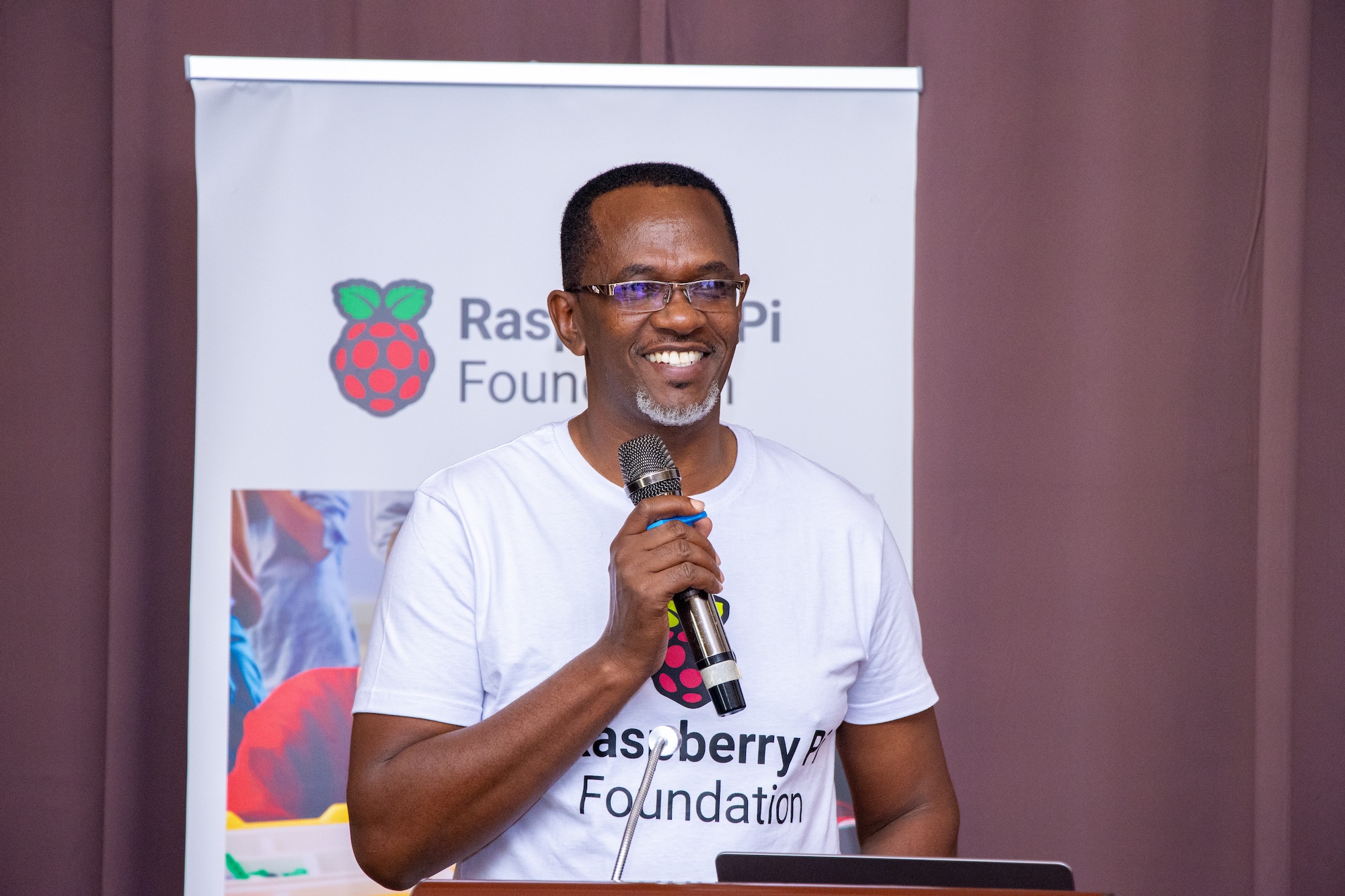
Partners used the Showcase to present sessions about their journeys implementing the Foundation’s programmes, sharing achievements and insights that strengthened the collective learning space. The conversations during our two days together reflected a maturing ecosystem and demonstrated how structured government buy-in is accelerating adoption of our localised Computing Curriculum and influencing national policy spaces.
“Through these programmes, we are equipping young people to become future-ready leaders of integrity and impact.” – Betty Oloo Anderson, National Executive Officer, Kenya Girl Guides Association
It was encouraging to see how far computing education has evolved since we began working with Kenyan partners in 2023, signalling the collective effort and commitment driving this work forward.
Partner-led sessions to reflect on what works
The sessions revealed a powerful shift already taking place in classrooms, with partners demonstrating how embedding The Computing Curriculum into Teacher Professional Development frameworks is building teacher confidence and elevating the quality of classroom instruction through stronger digital competencies and culturally relevant pedagogy. The partner presentation on Experience AI, our AI literacy programme, was especially powerful. It reframed the national dialogue from questioning whether AI might take over the classroom to recognising the real capacities and limitations of AI tools, and the central role teachers play in guiding young people to use and create AI tools in safe, ethical ways.
“Running Raspberry Pi Foundation programmes has been a transformative journey. It has challenged us to innovate, document rigorously, and continually place learners at the center of every decision. The structured support, tools, and community of practice have enabled us to deliver programmes with greater impact and accountability.” Joel Kahindi, Programme Coordinator, STEAMLabs Africa
Hands-on demonstrations, from physical computing with Raspberry Pi Pico to teacher development transitions from Scratch to Python, highlighted how practical computing is taking root in both formal and non-formal learning environments.
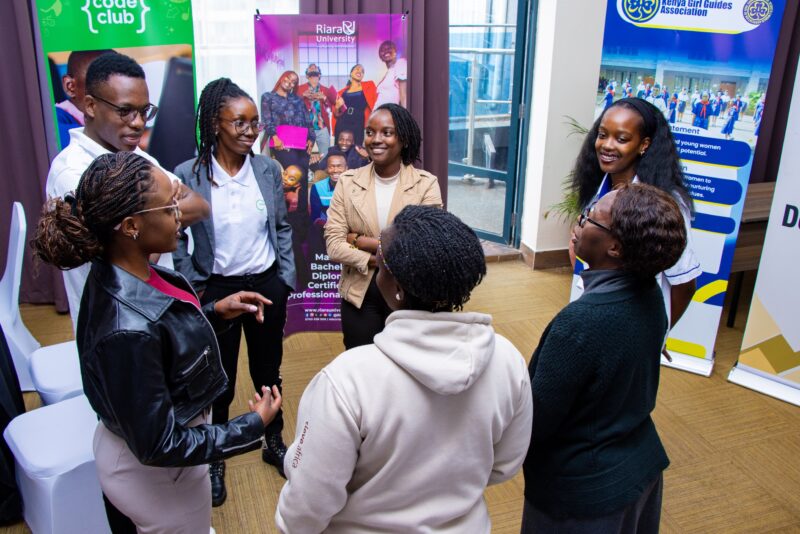
Partners from remote and underserved regions shared how locally contextualised computing tools and programmes we offer are reaching learners in ASAL (arid and semi-arid land) regions, strengthening literacy and digital confidence even in low-resource settings. Complementing this, curriculum-focused partners highlighted how structured computing resources are being adapted for ASAL contexts, reinforcing foundational skills at scale. Efforts around community-centred connectivity are enabling schools, especially in underserved communities, to finally access reliable high-speed internet.
“Through [our partnership with the Raspberry Pi Foundation], we are not only strengthening our programmes but also expanding our vision for what meaningful learning can look like across underserved communities.” – Joel Kahindi, Programme Coordinator, STEAMLabs Africa
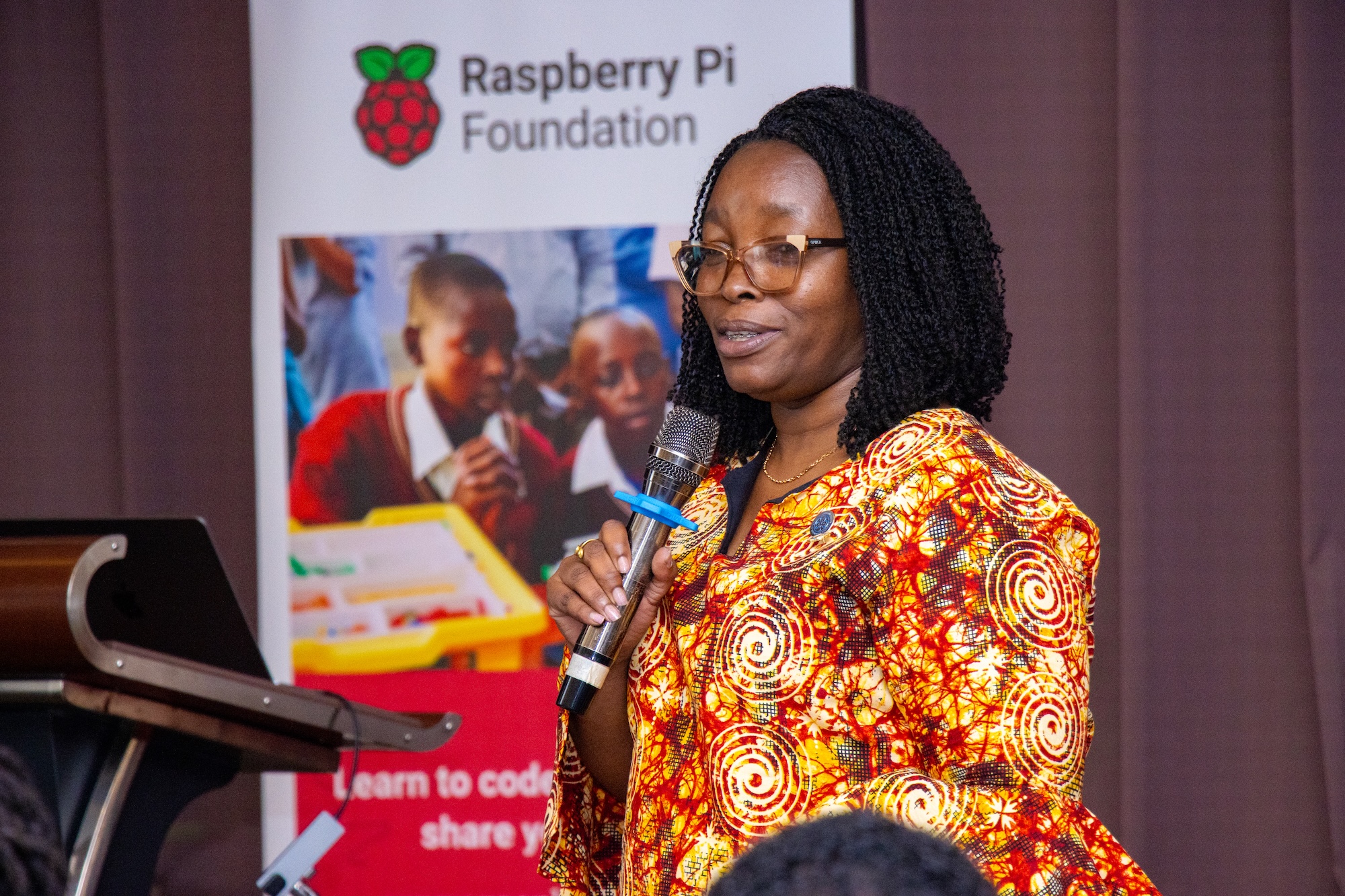
A notable pattern that emerged was how existing collaborations are now opening doors to new ones, with partners building on their relationship with us to form additional partnerships for devices, connectivity, and shared learning, creating a more holistic digital ecosystem for learners.
Solving shared problems, sharing real stories
A major anchor of the Showcase was the Code Club co-creation sprint. Implementing partners worked through real barriers and opportunities: easier onboarding for educators, continuous training, integrating clubs into school calendars, learner-led ownership, and sustainable models that last beyond donor funding. There was strong interest in forming a unified Code Club Kenya partner network to streamline communication, resource-sharing, and visibility, and our team is now exploring what it would take to bring this to life.
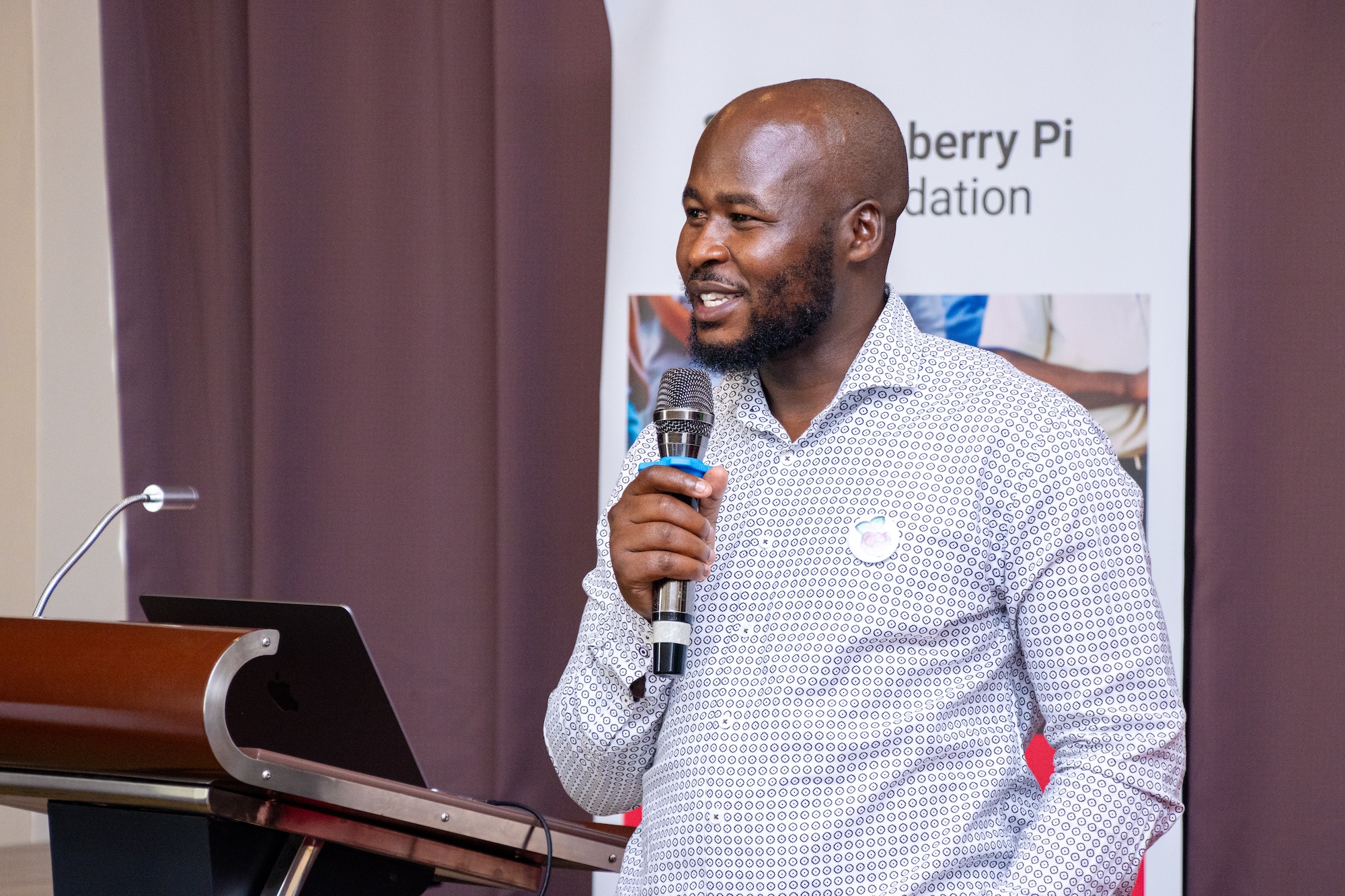
One message echoed across sessions: the power of telling real stories. Partners expressed a shared desire to spotlight creator projects, Code Club leader journeys, and regional experiences more consistently, through social media, case studies and impact stories, and shared platforms, to make progress visible and inspire more schools to adopt computing and digital skills.
From isolation to coordination
By the close of the Showcase, the takeaway was clear: Kenya’s digital learning ecosystem is no longer a set of isolated efforts — it is a coordinated network that shares priorities, evidence-based insights, and a commitment to scaling impact together. As one partner reflected, “This Showcase created a space for joint learning and will help us scale our impact across the country.” It felt evident, too, that bringing these voices into one room is itself part of the work. For us at the Foundation, this Showcase reaffirmed the responsibility and privilege of stewarding a network that is shaping what the future of learning computing in Kenya can look like.
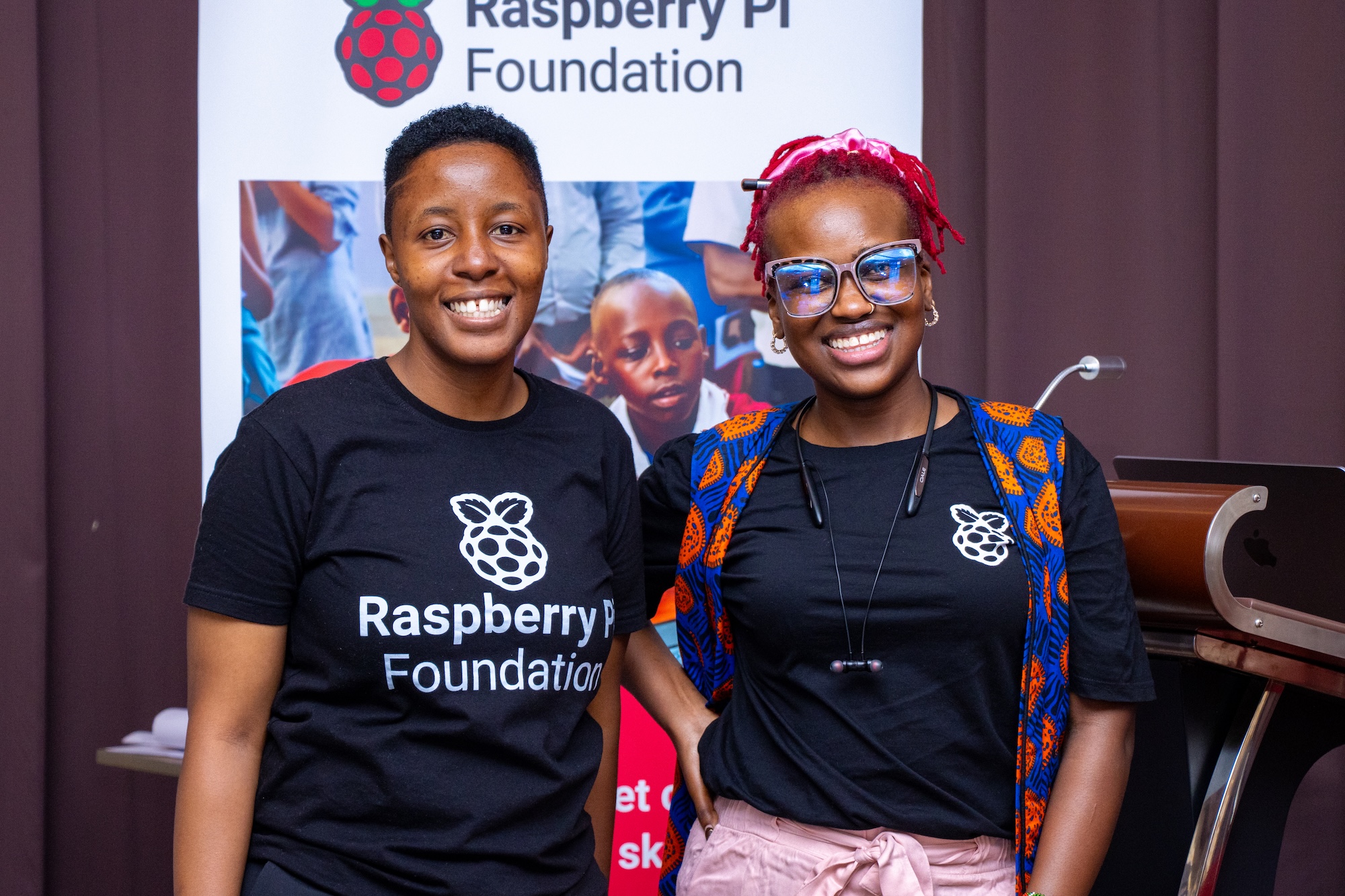
The Showcase marks the beginning of a new, aligned chapter for computing education in Kenya, one driven by collaboration, clarity, and a shared belief that we go further when we go together. With shared priorities for 2026, the momentum continues, and we will be continuing to highlight where this collective work is headed next.
Thank you to all partners
We want to thank you to all our partners — Frontier Counties Development Council (FCDC), STEAMLabs Africa, Young Scientists Kenya, Kenya Girl Guides Association, Oasis Mathare, Futures Infinite, EmpServe Kenya, Kenya Connect, Tech Kidz Africa, Riara University, and M-Lugha — for your leadership, dedication, and unwavering belief in what is possible when we learn and build together.
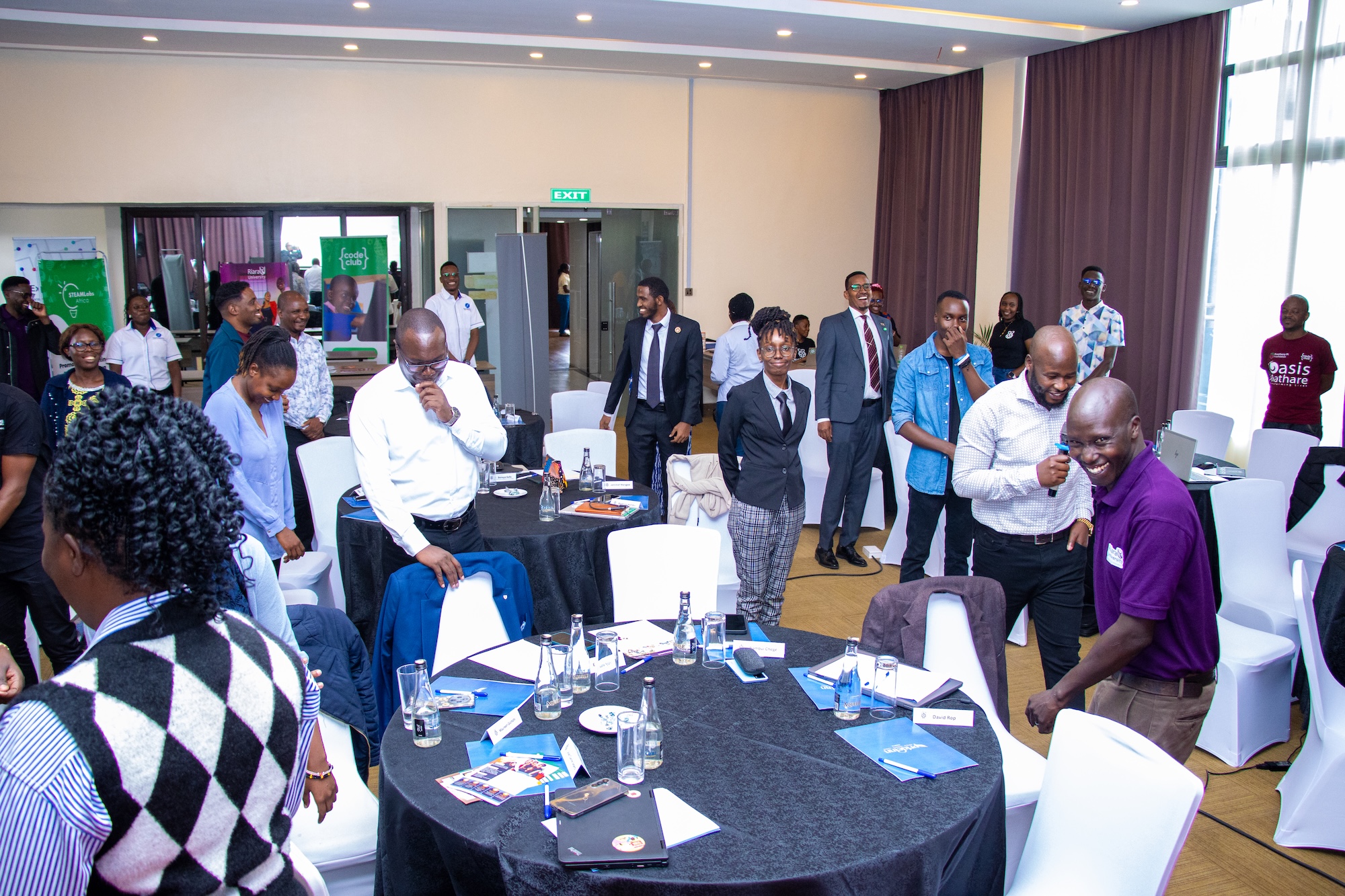
This Showcase was a reflection of your work, your commitment to learners, and your vision for a digitally empowered Kenya. We are grateful for your continued partnership and excited for all that lies ahead.
1 comment
Jump to the comment form
Raspberry Pi Staff Rujeko Moyo
We go further when we go together! Thank you for documenting this Sandra. Thoroughly encouraged by the onset of this collaborated movement!