
Astro Pi is 10: A decade of your code in space
Today, we are marking the 10th anniversary of the European Astro Pi Challenge.
At 11:03 on 15 December 2015, former ESA Astronaut Tim Peake launched from Baikonur cosmodrome in Kazakhstan on a Soyuz rocket as part of his UK Space agency ‘Principia’ mission to the International Space Station (ISS). Two Raspberry Pi-powered Astro Pi Mark 1 computers were waiting for him in the Columbus module of the ISS, ready to be set up for an experimental education activity called “Astro Pi”.
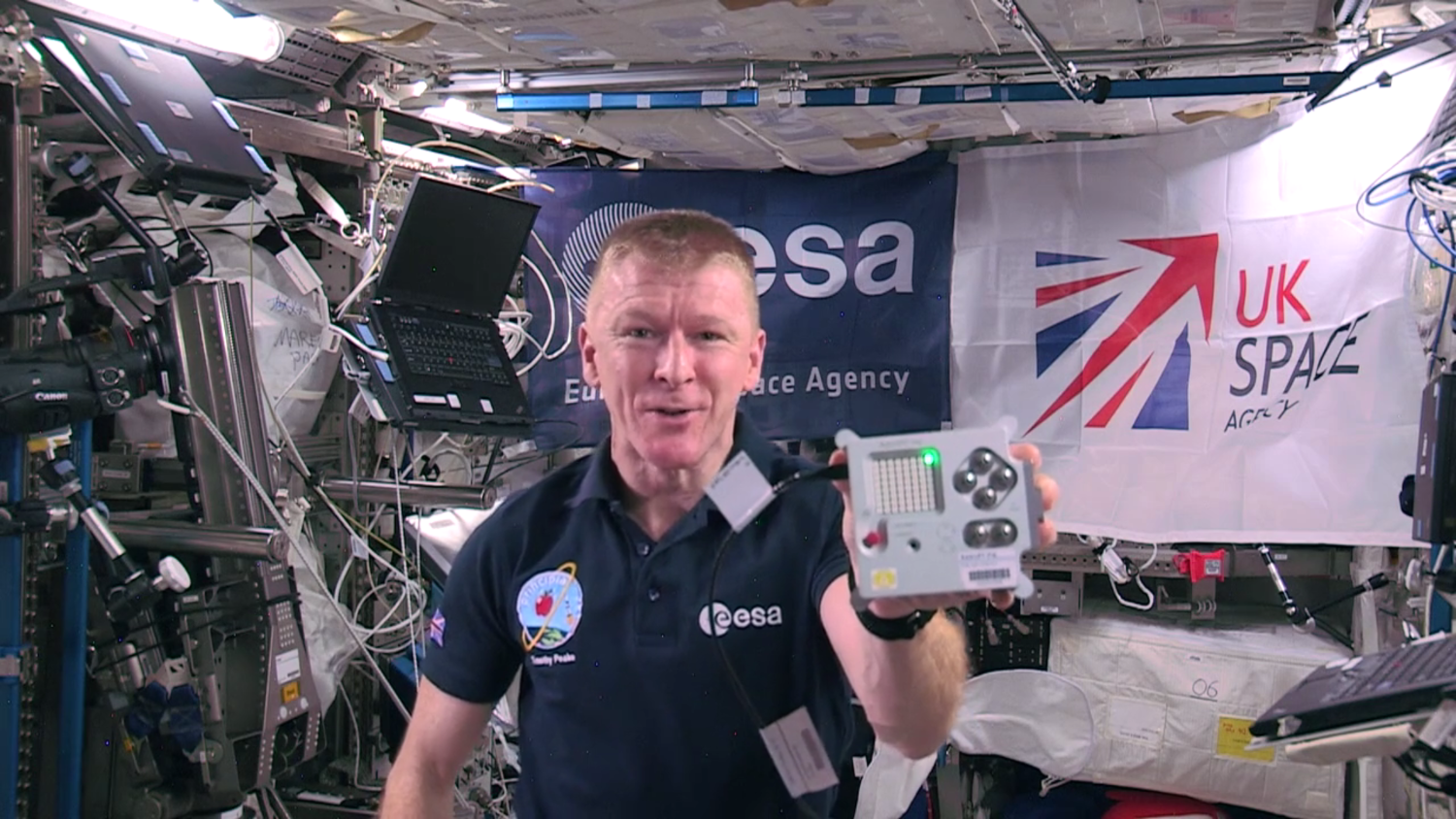
The European Astro Pi Challenge, an ESA Education project run in collaboration with the Raspberry Pi Foundation, and supported by national ESEROs, has been running every year since. The challenge now features two Python coding ‘missions’ that offer young people the amazing opportunity to write a short computer program to send to run on the ISS: Mission Zero and Mission Space Lab.
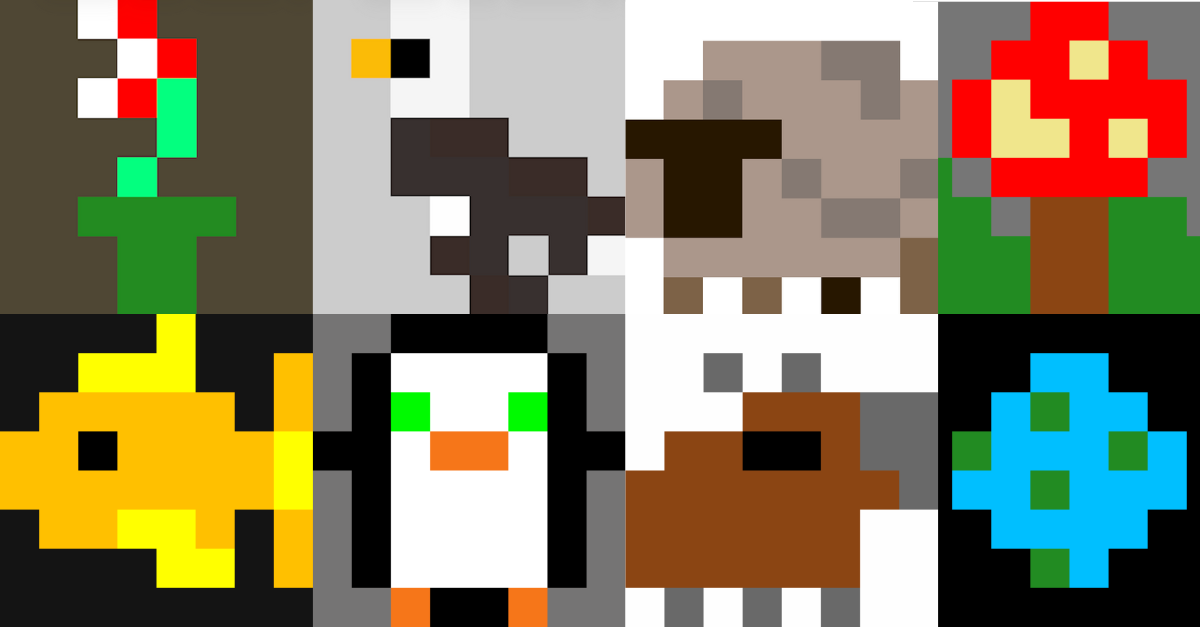
Tens of thousands of young people participate in Astro Pi annually, reaching over 160,000 participants since 2015. On 15 December this year, Tim Peake and some of the Astro Pi team were at the Science Museum London running Mission Zero workshops for visiting school groups to create their own pixel art programs to send into space.
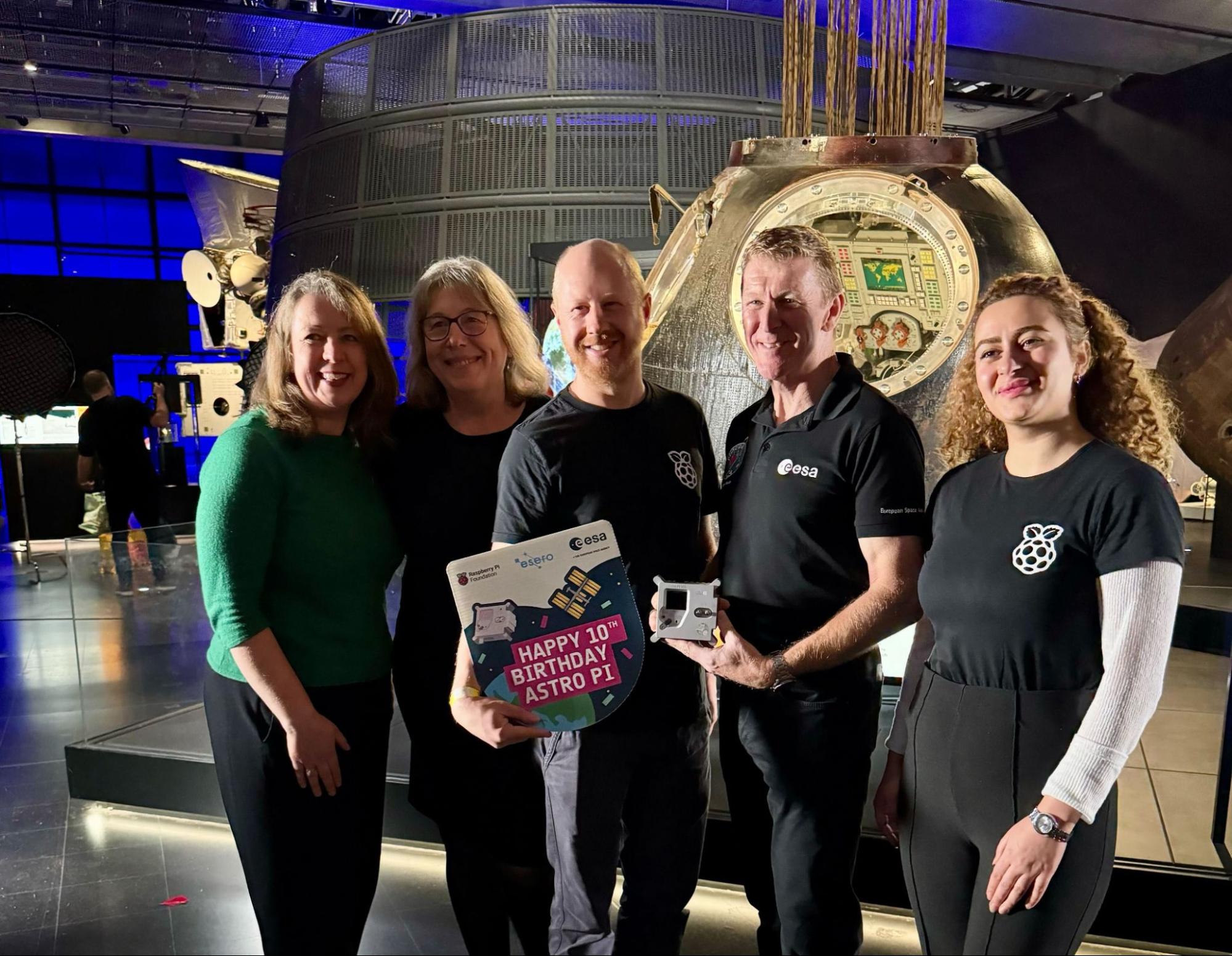
“Setting up the Astro Pi computers on the ISS for those first experiments in 2015 was just the beginning of something truly incredible — it’s amazing to see how much impact the programme has had since then! I hope Astro Pi inspires thousands more young people to code, learn about space technology, and feel empowered to reach for the stars in their own careers.” – Tim Peake, former ESA Astronaut
Astro Pi 2015–2025: A space odyssey
As the challenge has matured, its reach has increased, with over 25,000 participants every year since 2021. Young people from all 27 ESA member and associate states have sent their code into space, with 25% of mentors returning to the challenge year after year.
“I think Mission Zero is a way of connecting not only to a worldwide group of learners, but also to explorers, future scientists, and future astronauts. To see them as part of a larger community and not just an activity or assignment that they have to do in class. They discover their own abilities and potential, and exercise their creativity in a very low-stakes environment and then to see it come to life in that global way is extremely valuable.” – Mission Zero mentor
Mission Zero has proved to be a great way to engage girls in computing and tech, with an average of 44% of participants identifying as female. This is well above the national averages for other STEM subjects in many countries.
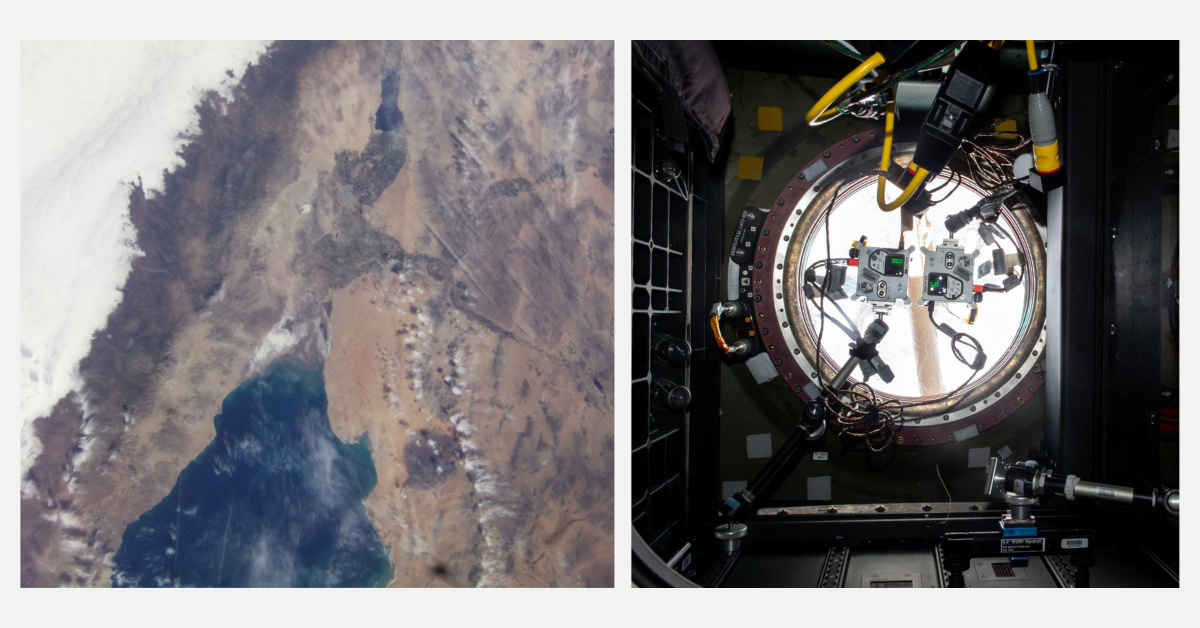
What attracts many teams of young people to Mission Space Lab is the chance to capture data and images from the SenseHats and High Quality Cameras on the Astro Pi computers. This year the Astro Pis will be positioned in the World Observation Research Facility (WORF) window, which means teams can hope for some fantastic, high-quality Earth-observation images with a full field of view. Each team that achieves Flight Status will receive the images and data their program captures.
The next generation of space explorers
Astro Pi is one of the most inspirational coding activities that young people can do and gives the exciting chance to reach beyond the boundaries of what they may have thought possible. In the 2024–25 impact report, mentors reported that the young people participating were highly motivated by the possibility of having their code run on the ISS.
“Honestly, the idea that a kid can send their own code to space is just mind-blowing. It really makes you rethink what ‘possible’ even means.” – Jeanna, Astro Pi enthusiast
Participation increases skills, confidence and motivation for further exploration in coding, digital making and STEM subjects.
- 83% of Mission Zero mentors agreed that young people increased their skills and confidence in computing and digital making due to their participation
- 91% of mentors told us that young people who successfully wrote code for Mission Space Lab were likely, or very likely, to participate in computing and digital making challenges in the future
Join us in this year’s anniversary challenge to celebrate a decade of sending young people’s code into space – and receive some limited edition certificates. You can find out everything you need to participate or to mentor a team at astro-pi.org.





No comments
Jump to the comment form