
Introducing our new ‘Programming with AI’ unit
In the age of AI, we believe kids still need to learn to code. We’re also testing how AI tools can be used to help with teaching and learning programming. This blog dives into our new classroom unit ‘Programming with AI’, which we’ve developed for teachers to introduce students to learning to code using tools built on large language models (LLMs). We share an overview of the unit, and the early excitement of educators and learners with whom we’re exploring this new approach to teaching and learning programming.
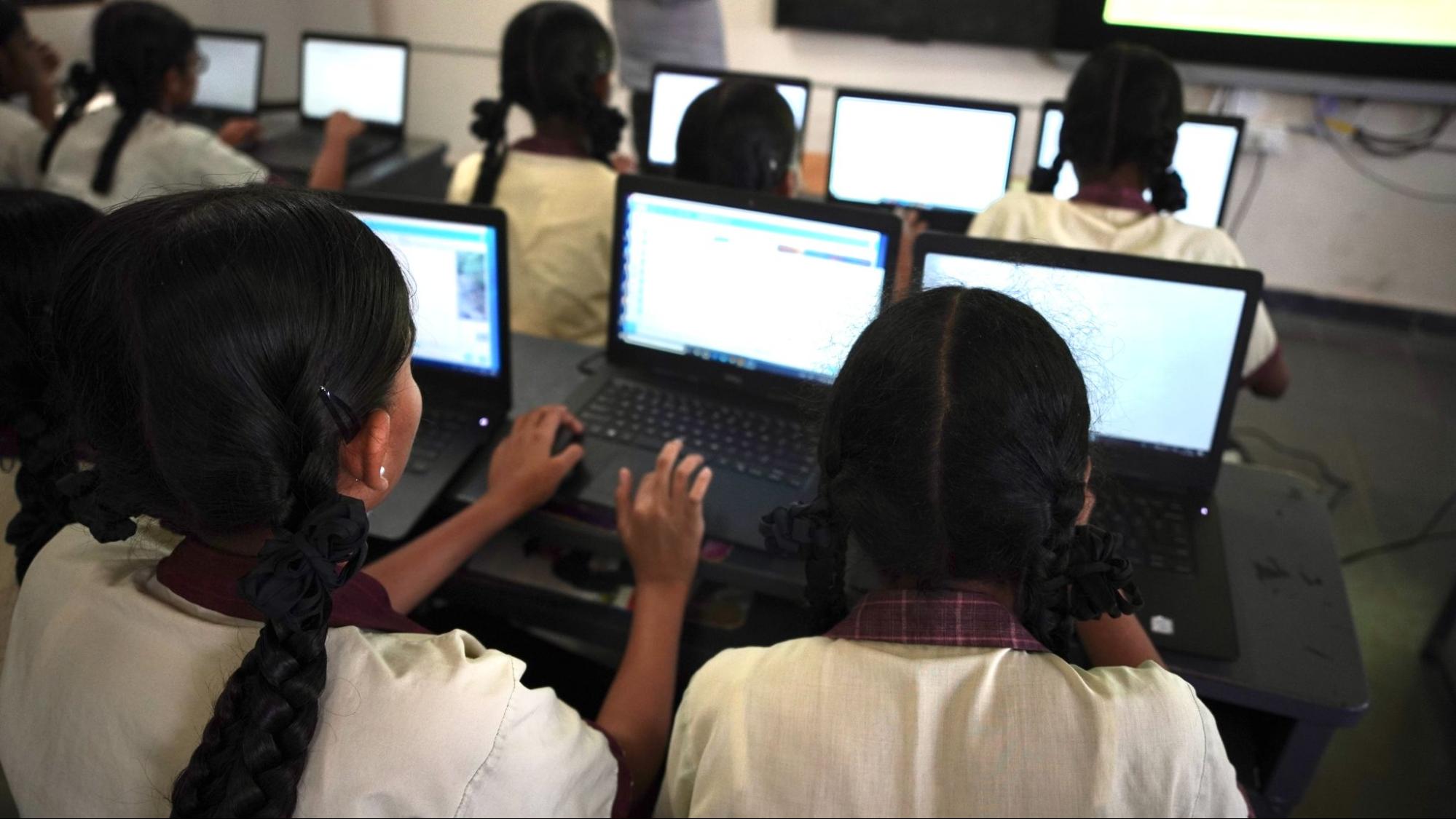
Bridging the gap in programming education
As India is accelerating its efforts to modernise digital and computing education, it’s the ideal place for us to test how best to introduce learners to AI-assisted approaches to programming and teach them responsible AI use.
We decided to design a ‘Programming with AI’ unit of eight lessons that support students aged 14–16 to progress from block-based programming to text-based Python programming, Python being one of the most widely employed programming languages in industry and academia. In the new unit, students are guided to use LLM-based tools safely, ethically, and responsibly in order to undertake data analysis projects in Python. Students learn how to use the tools, such as Gemini and ChatGPT, to deepen their understanding, experiment with ideas, and connect classroom concepts with real-world technological applications.
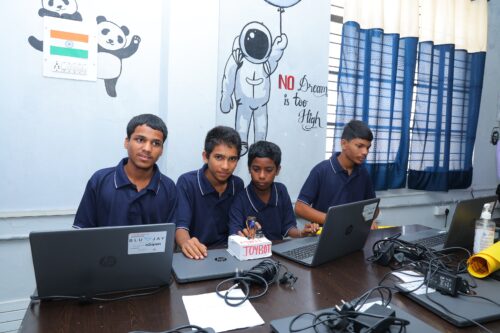
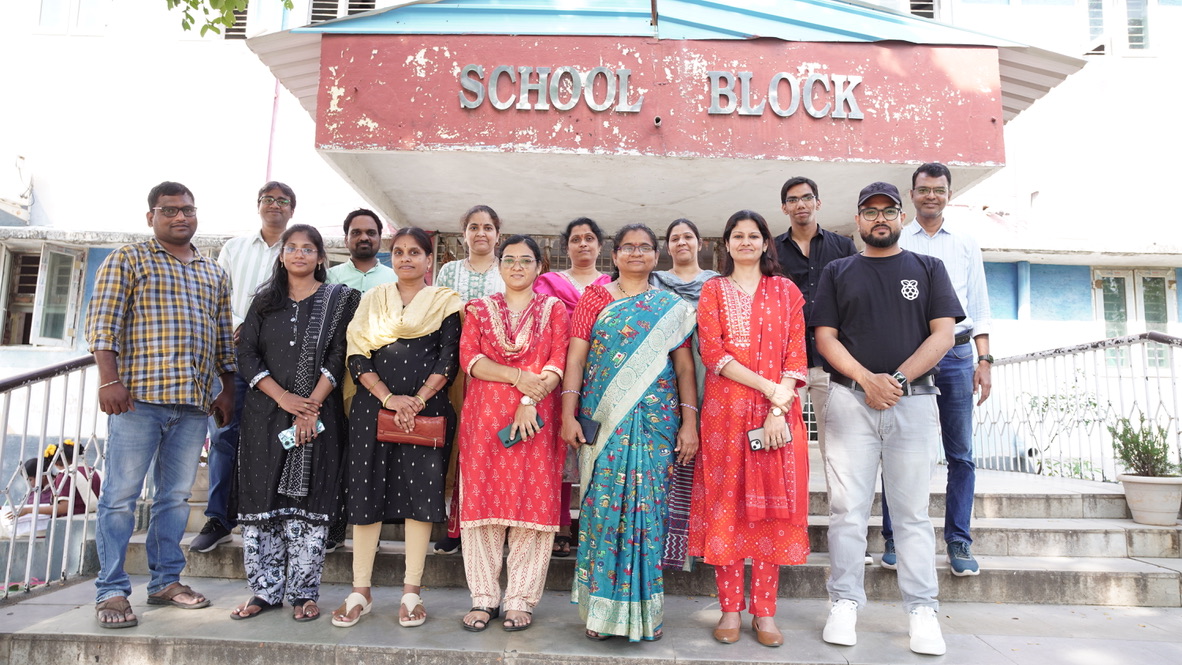
The ‘Programming with AI’ unit is currently being piloted across five residential schools under our partner, the Telangana Social Welfare Residential Educational Institutions Society. In the coming months, we will evaluate the impact of this AI-supported approach to learning programming on student engagement, motivation, and overall learning outcomes.
Key design decisions during unit development
During the design phase of the unit, we identified three main challenges we wanted to address:
- The first was the transition from block-based to text-based coding. The students we were designing for are familiar with block-based programming like Scratch, but Python needs precisely typed code (syntax). This is a huge shift, and we wanted to offer a way to bridge the gap.
- We also had to figure out how to teach prompting LLM tools to students who are learning English as their second language.
- Finally, LLMs are non-deterministic. This means that LLM tools don’t always produce the same output, even when given the same prompt. They also do not generate correct code consistently.
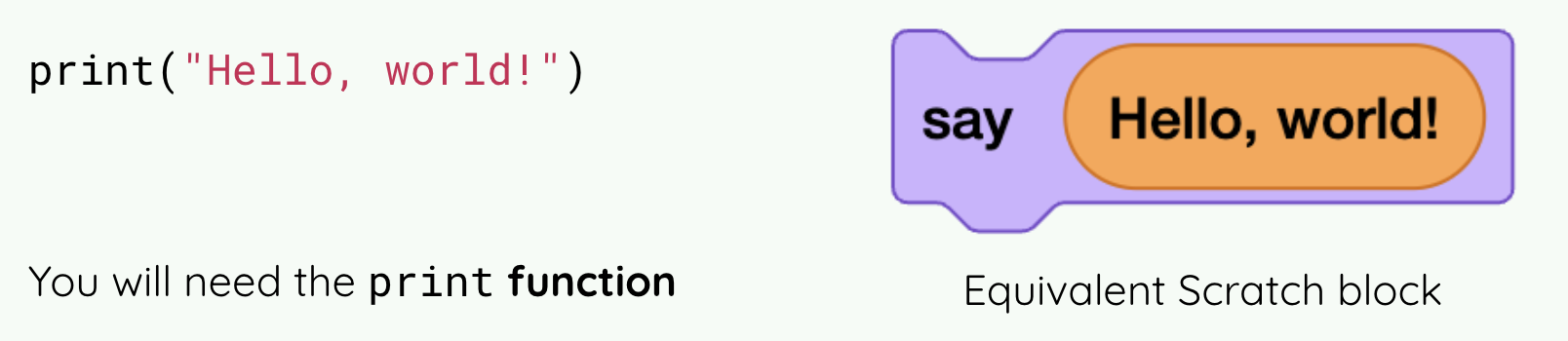
To solve the first problem, we decided that the initial lessons in the unit should start by showing familiar Scratch blocks right next to the equivalent Python syntax. This direct comparison makes the transition from block-based to text-based programmer smoother.
To teach prompting, we built a gradual path. The unit starts with a debugging code activity, where students get code with errors and a prompt to make an LLM tool fix the errors. Later, they learn to break down a prompt into their goal (what output they want) and the context (additional information for the LLM tool). Eventually, they use a structured framework to prompt the tool to generate complete, bug-free code.
Handling the unpredictable outputs of LLM tools we turned into a learning activity. In one lesson, students are given different chatbot-generated code segments and asked to analyse and reflect on the code quality. This crucial exercise helps them build the critical thinking and code evaluation skills they need for programming with AI tools.
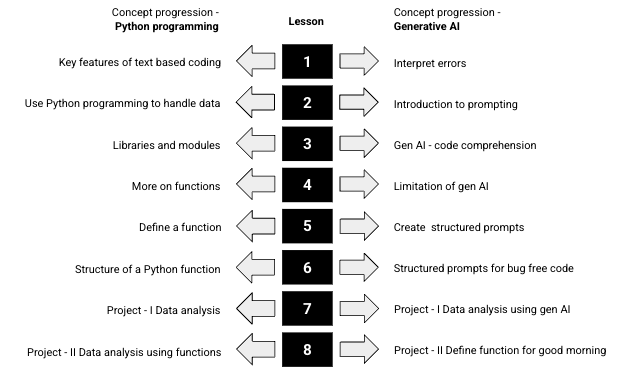
Over the eight lessons, there is a progression of Python concepts and generative AI concepts, as shown in the image above. They lead students to complete two challenging, real-world data analysis projects.
Preparing the educators
To ensure the successful pilot of the ‘Programming with AI’ unit, a comprehensive teacher training program was essential. We understood that teachers needed confidence and competence not only in the subject matter — programming — but also in guiding students to ethically and effectively use LLM tools.
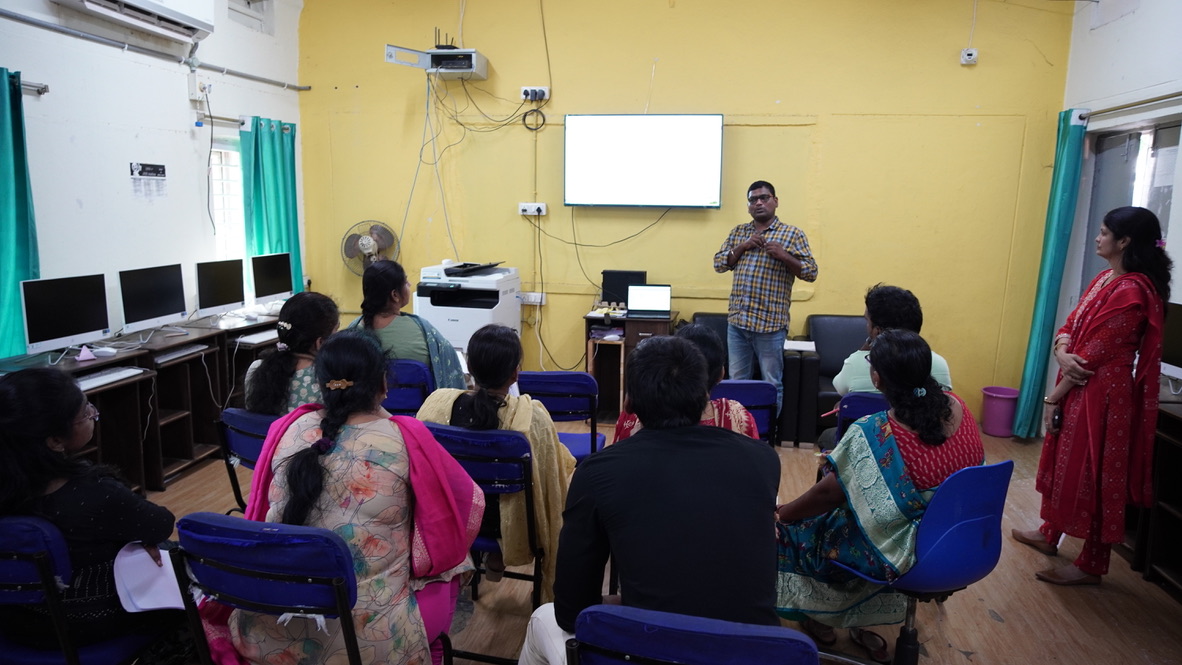
The training was an intensive, three-day programme: two days were held in-person for deep collaboration and one day was virtual for reinforcing key information. We covered five critical areas:
- Hands-on activities to ensure comfort with the Python programming language
- Exploring the capabilities and limitations of LLM tools
- Effective prompt writing, which teachers would in turn model for their students to use for code debugging and idea generation
- Reviewing lesson flow and learning objectives to understand the structure of a lesson
- Adapting specific pedagogies to integrate an LLM tool in teaching the Python programming language
This training ensured our educators were not just teaching a new unit, but felt like confident facilitators ready to lead the shift towards AI-supported learning.
Initial student reactions: Excitement, familiarity with LLM tools, and seamless transition
The pilot of the ‘Programming with AI’ unit began during the second week of December 2025 across five selected schools. It was immediately met with enthusiastic student engagement — they were highly excited to learn Python programming using LLM tools.
When teachers initiated discussions about AI, students demonstrated their familiarity with LLMs, chatbots, and related concepts. They were not only aware of generative AI but could readily name and describe the functions of LLM tools, telling us they were actively using these tools to create projects in various other subjects.
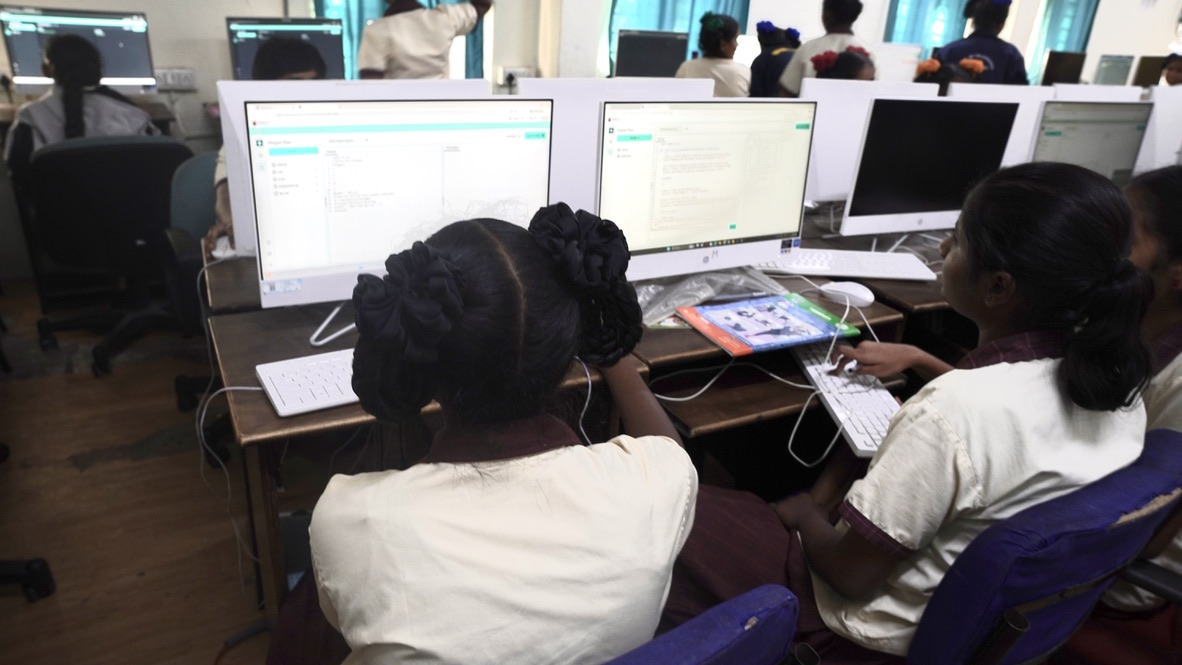
Students could easily connect with the activities in the lessons as they had foundational understanding of programming, which they developed while learning block-based coding in Scratch. This prior knowledge enabled their seamless transition to the new learning. Perhaps most impressive was the students’ rapid adoption of LLM tools to debug their code. This skill can ease what is traditionally a steep learning curve when students first learn text-based programming.
We are now eagerly anticipating their curiosity and progress in the upcoming lessons.
Looking ahead and collecting impact data
With the initial enthusiasm confirmed, the pilot program moves into its next critical phase. Teachers will continue to deliver the unit over the next few months in the five selected schools in Telangana.
During this extended observation period, our primary focus will be on rigorous data collection and impact assessment. We will closely monitor how students interact with the provided learning materials and how they use LLM tools throughout the unit. We will systematically assess whether the new teaching approach successfully helps students achieve the defined learning objectives for Python programming. Crucially, we will capture comprehensive data to understand the impact of this AI-integrated approach on engagement, skill acquisition, and problem-solving compared to traditional methods.
Based on the synthesis and analysis of all the gathered data, we will share our gathered insights early next year. The findings will inform our plans for more widely introducing the AI-integrated unit and for developing similar content for other settings and age groups.





1 comment
Jump to the comment form
Ganesh Korra
Great blog, Rajib! The focus on ‘responsible AI’ and teaching students to debug AI-generated code is a game changer. It moves the classroom from ‘how to code’ to ‘how to build,’ which is the future. Excellent work on the Telangana pilot.