
Computing and AI for all: From classrooms to national dialogue in India
On 7 February 2026, we witnessed something special in Bhubaneswar: a day where classroom experience took centre stage in conversations about computing and AI education in India at our Computing and AI for All conference.
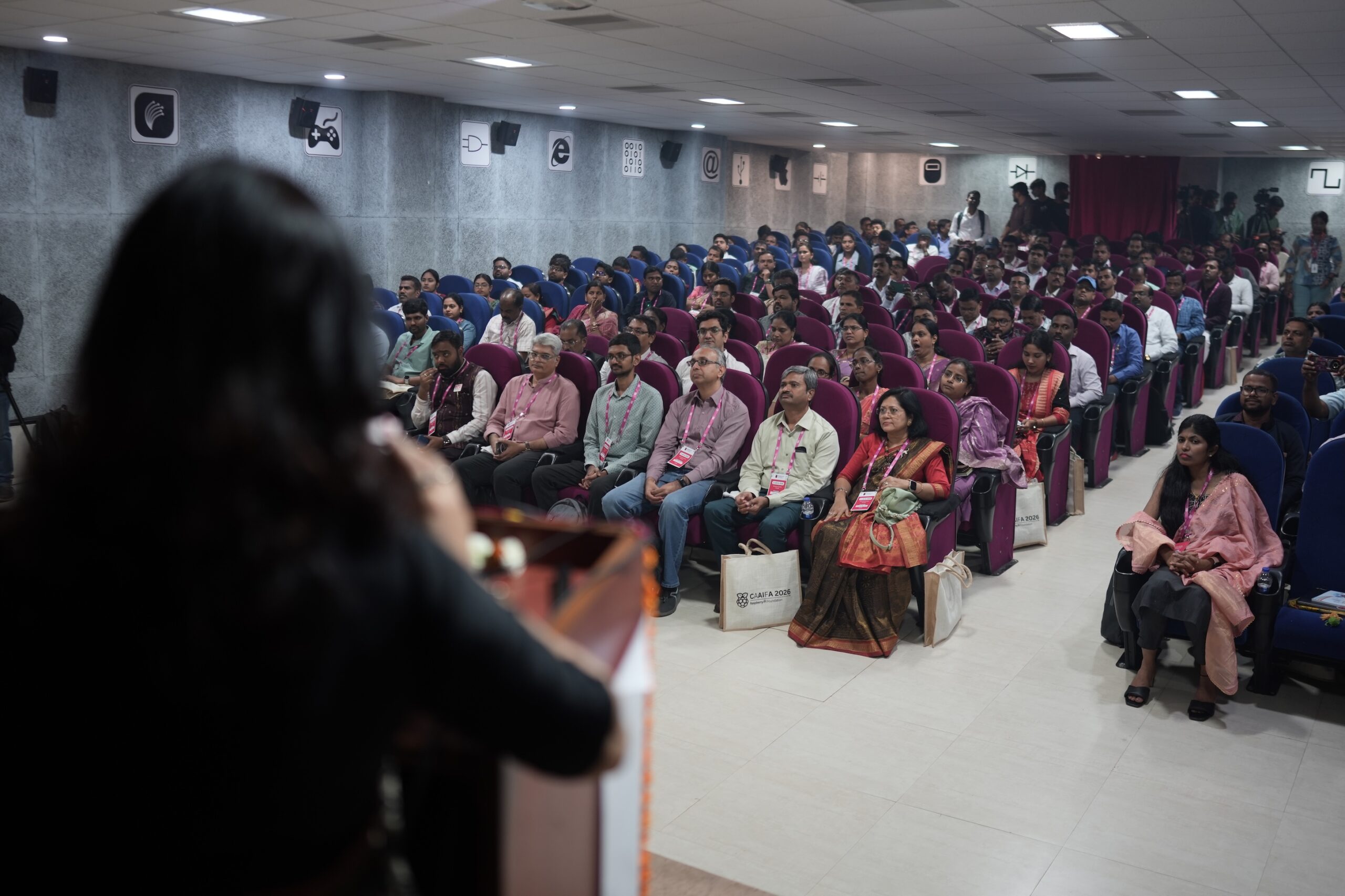
At this event, we brought together educators, researchers, and system leaders for shared learning, reflection, and professional dialogue where classroom practice was placed at the heart of the discussion.
An event to connect conversations
Across computing and AI education in India, conversations about policy, pedagogy, research, and future readiness often take place in separate spaces. At Computing and AI for All, we wanted to connect these strands in a national forum where classroom practitioners, researchers, and system leaders could speak with each other about computing and AI education.
The theme ‘Computing and AI for all: Classroom to policy’ connected:
- Ecosystem and policy
- Pedagogy and innovation
- AI and future readiness
- Research, evidence and impact
Bringing these conversations together helped shape a richer dialogue than we’ve seen in many traditional education forums.
Grounding in classroom experience
The response from educators to the opportunity to attend was both energising and encouraging. 165 educators and 22 invited guests joined us on the day. The event also featured 35 paper and poster presentations, reflecting the breadth of classroom practice, research, and innovation that teachers were keen to share.
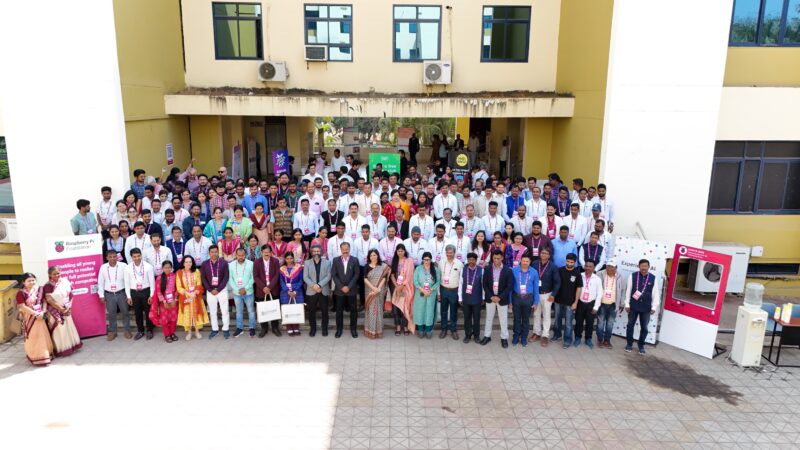
The conference also brought together diverse contributors. Alongside teachers, there was representation from organisations such as Computer Science Teachers’ Associations, the University of Southampton, Quest Alliance, and Learning Links Foundation. Also part of the event were attendees from government bodies including TTWREIS – Telangana Tribal Welfare Residential Educational Institutes; PSSS – Panchasakha Shikhya Setu Sangathan (a Govt. of Odisha initiative); and IIITMK Kerala. The presence of an international delegate from Nepal further broadened the exchange of perspectives.
First and foremost, the event was rooted in classroom practice. 88% of participants were ICT teachers, with strong representation from Odisha and Telangana, where we have been working on partnerships to support computing educators. A significant proportion of the educators present were attending a computing conference in person for the first time, so it was a milestone in their professional journey.
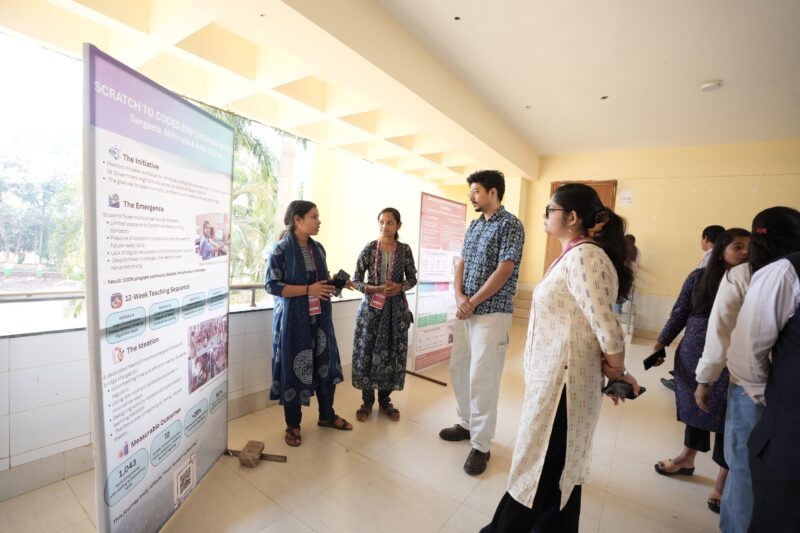
Teachers stepping onto a national stage to present their classroom experiments, research, and reflections signaled an important shift: computing and AI education in India is no longer something designed solely for teachers. It is increasingly being shaped by teachers and informed by their lived classroom realities and professional expertise.
Ideas, evidence, and inspiration
The conference featured a full-day academic programme beginning with a formal inauguration and an introduction to our work in India.
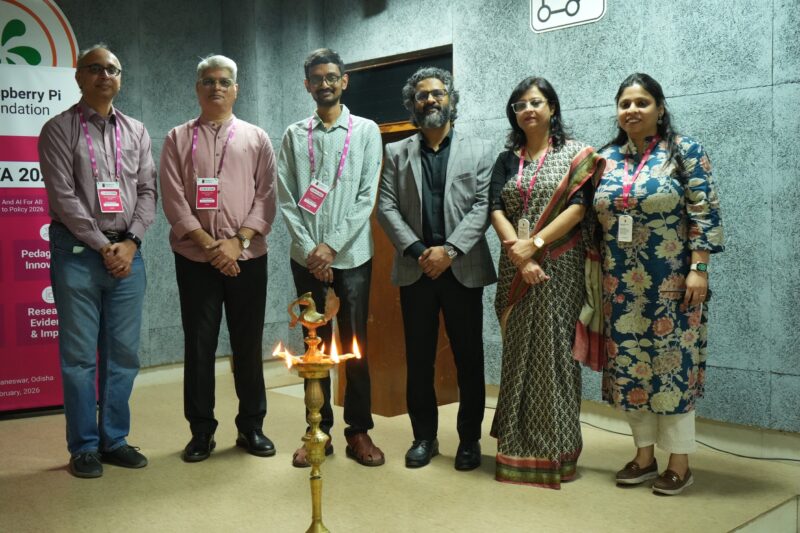
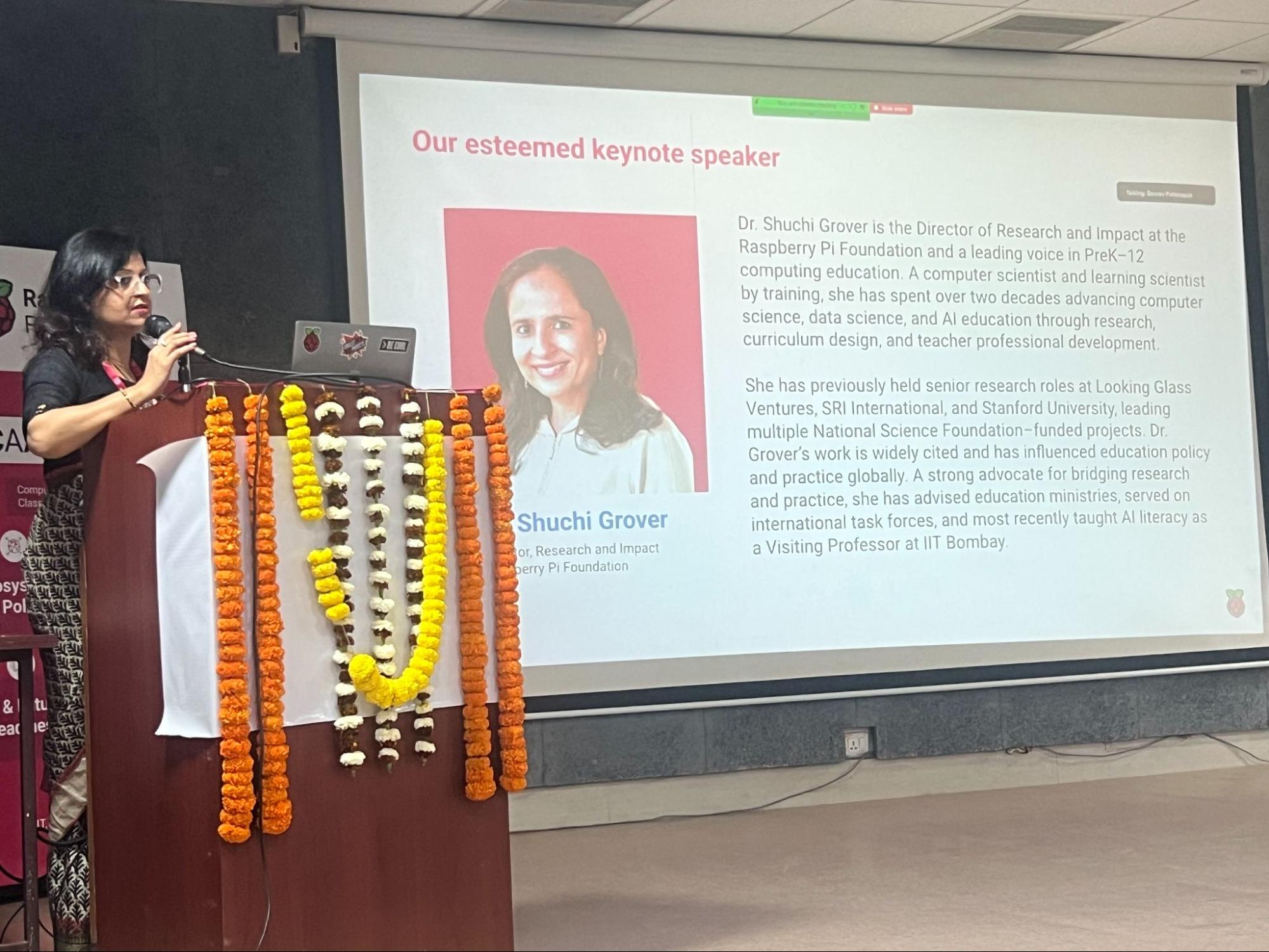
The keynote by the Foundation’s Director of Research and Impact, Shuchi Grover — ‘Democratizing the future: Why computing and AI literacy matters for every child, everywhere”’ — set an equity-driven, future-focused tone. It reminded us that AI literacy is not optional; it’s foundational for learning and opportunity.
In the panel discussion on ‘Embedding ethical AI in everyday teaching: From principles to classroom practice’, teachers, researchers and leaders exchanged ideas about how to integrate responsible AI without losing sight of learning goals.
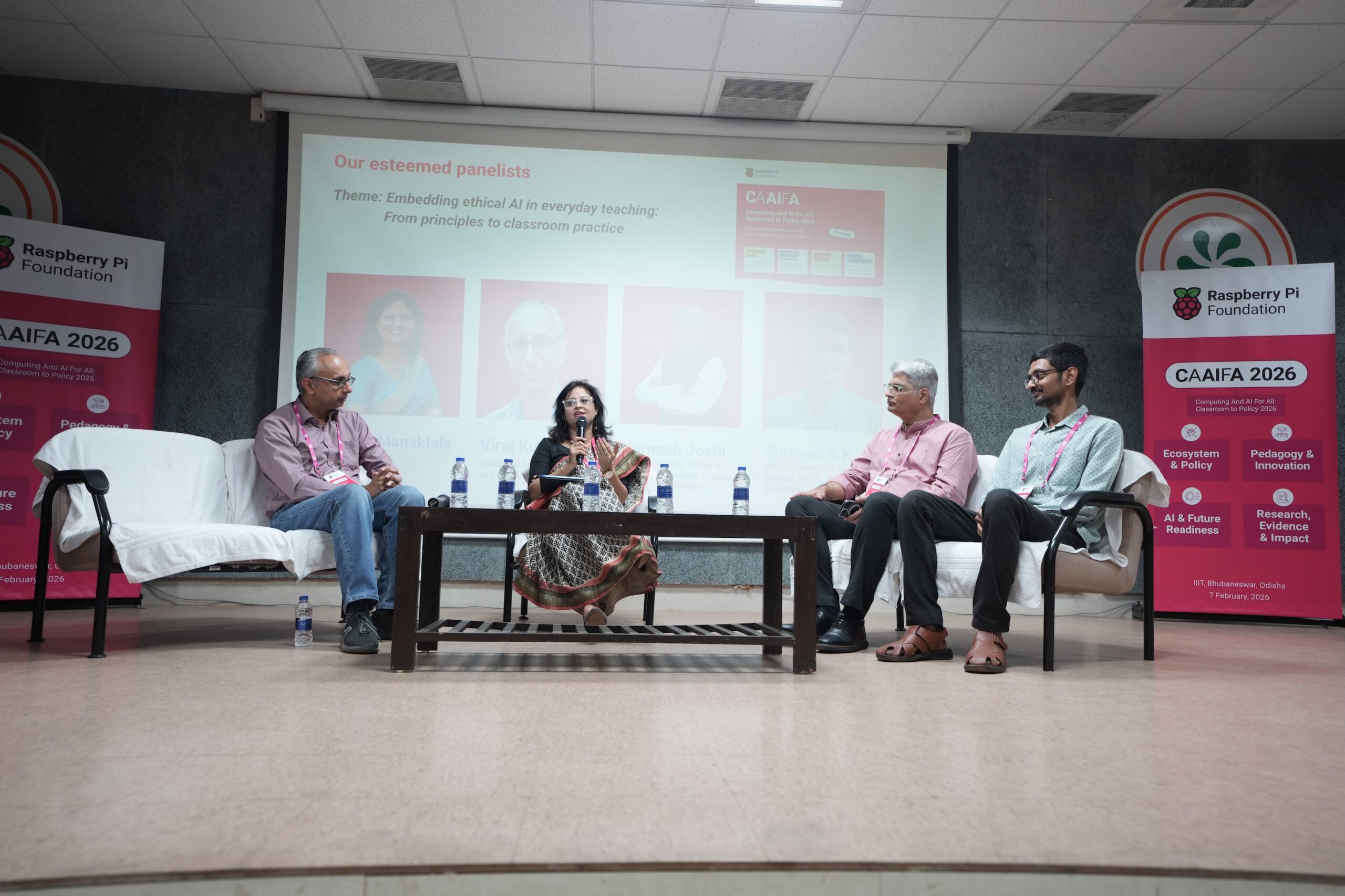
Across sessions, teachers and researchers shared a wide range of classroom-centred insights, including:
- Using generative AI for algebraic discovery
- Designing AI-supported personalised learning models
- Inclusive coding practices with Scratch
- Using AI to reduce teacher workload
- Low-cost computing innovations in K–12 classrooms
- Hands-on technical explorations, such as Kali Linux on Raspberry Pi
These sessions reflected both pedagogical creativity and deep engagement with everyday classroom challenges.
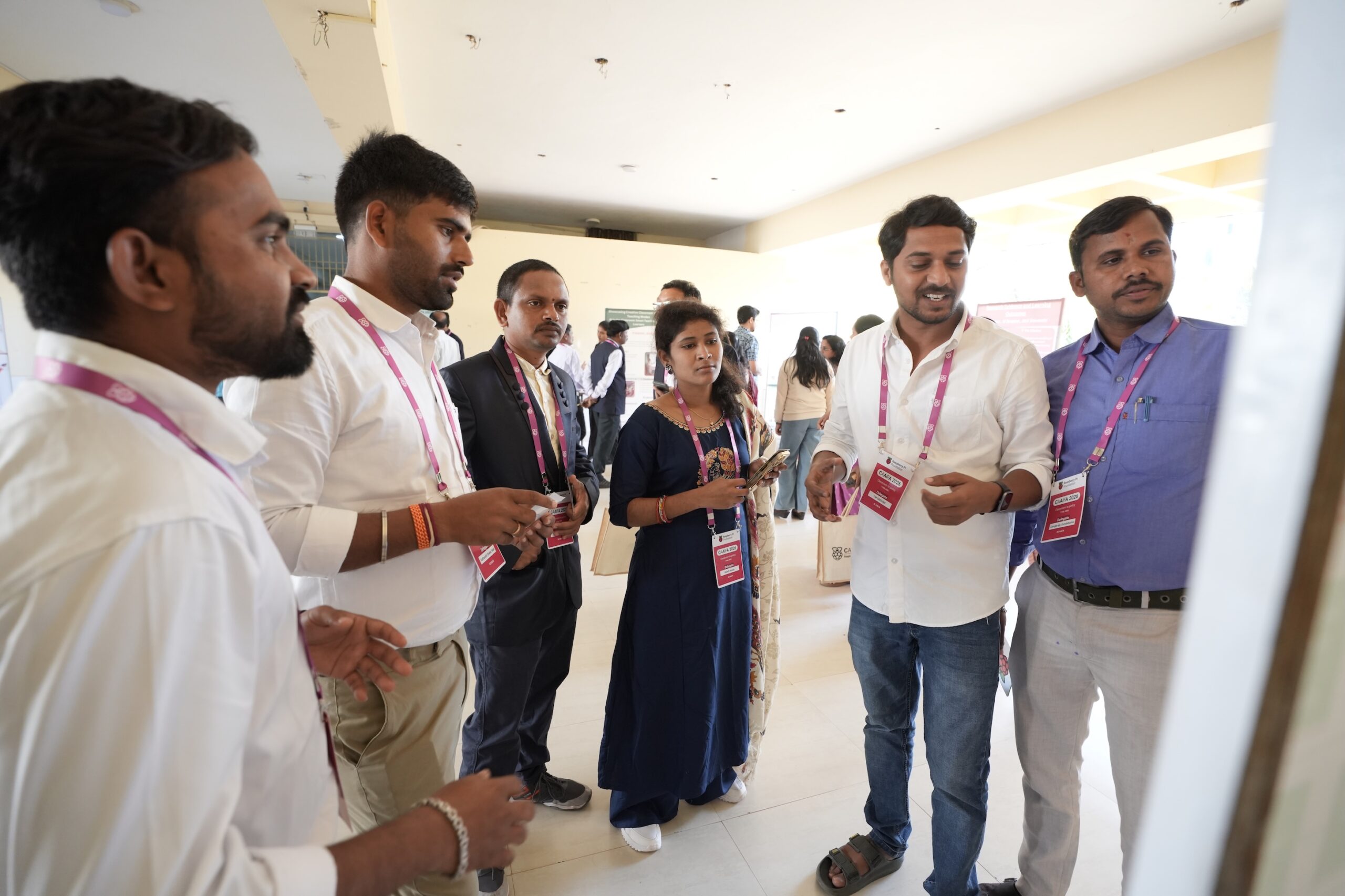
The structured poster gallery created space for peer feedback and deeper discussion around critical themes such as:
- AI for first-generation learners
- Classroom research evidence
- AI tools to support ICT engagement
What educators told us
In the feedback we captured, educators described the conference as:
- Highly educative
- A space for cross-state collaboration
- A confidence-building platform for presenting work
One participant shared: “I’m honoured to be part of [the conference]. It was inspiring to listen to educational experts sharing valuable insights on AI tools and education.”
Many participants asked us to expand the event, suggesting a two-day format, extended hands-on AI workshops, and practical demonstrations they could take back to their classrooms.
Looking ahead
Our Computing and AI for All event formed a national, educator-led platform linking classroom innovation, AI literacy, research evidence, and policy dialogue.
What stood out most was the spirit of participation:
- Teachers sharing real classroom experiments
- Researchers listening
- Policy voices engaging
- First-time presenters stepping into a national forum
If AI is shaping the future of work and society, then teachers need to play a part in shaping the future of AI education. Computing and AI for All was one move in this direction that we were pleased to facilitate — and it is only the beginning.




1 comment
Jump to the comment form
Lippon choudhury
It was such a real experience. In future, if possible please arrange 3 days seminar.