Highlights from Astro Pi 2025–2026 community events
We have now reached the end of the European Astro Pi Challenge 2025/2026 cycle and it’s been a busy and rewarding time for the Raspberry Pi Foundation team. Alongside supporting thousands of young people taking part in the challenge across Europe and beyond, we’ve also been out in the UK community running hands-on Astro Pi events and delivering training to schools and educators.
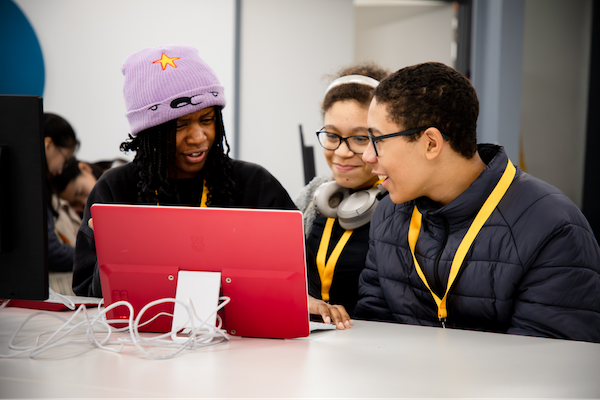
A few highlights from this year include the Astro Pi tenth anniversary celebrations at the London Science Museum; a series of Mission Zero workshops delivered during Science Festivals in Bradford, Belfast and Norwich; and hosting a Mission Space Lab hackathon at the Raspberry Pi Foundation headquarters.
Mission Zero on the road: Creativity in coding
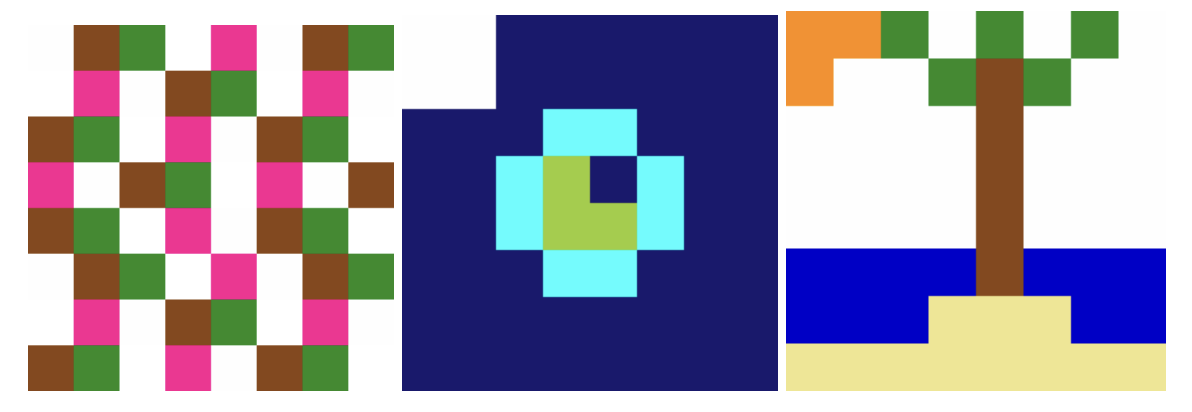
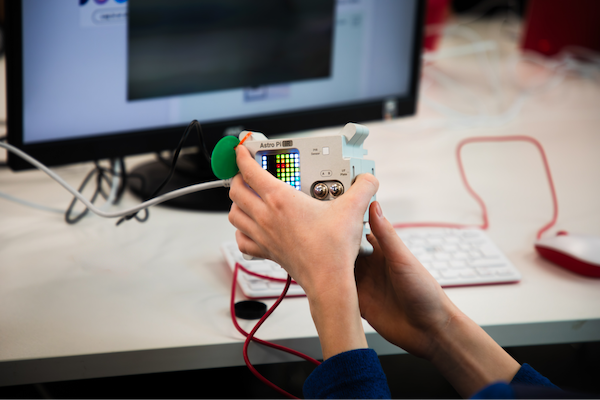
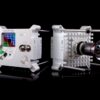
In Astro Pi Mission Zero, participants write a simple Python program that displays an image or animation on an Astro Pi computer aboard the ISS. Their program also uses data from the Astro Pi’s colour and luminosity sensor to set the background colour.
Since Astro Pi 2025/26 launched in September, the Raspberry Pi team have been running Mission Zero workshops at science events and providing training to lots of different organisations. We kicked off our outreach at Bradford Science Festival in October with workshops happening all through the half term at the Bradford Science Museum. Over 260 young people took part and submitted their entries during the festival.
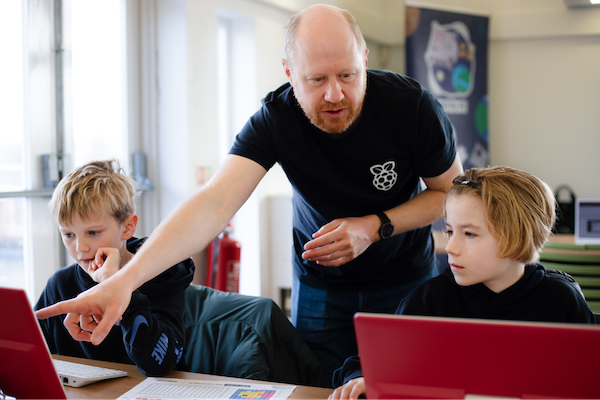
In November, we ran a series of online training and livestreamed sessions for Education Scotland’s Computer Science Week, and for STEM Ambassadors in Wales. We provided teacher CPD sessions for facilitators and even livestreamed a Mission Zero lesson direct to the classrooms of primary schools around Scotland.
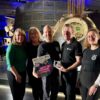
December was a particularly big milestone as we celebrated ten years of Astro Pi at the London Science Museum with UK Astronaut, Tim Peake, who launched Astro Pi way back in 2015. We hosted families and schools with a series of workshops over two days at the museum, and Tim even joined us for one of the workshops to meet participants.
January found the team running training for computer science teachers at the Harris Foundation, a network of schools around Greater London, and the Meridian Trust, a school network in the East of England. After the training, we visited Nene Park Academy in Peterborough UK, part of the Meridian Trust, to run mission zero with groups of students there.
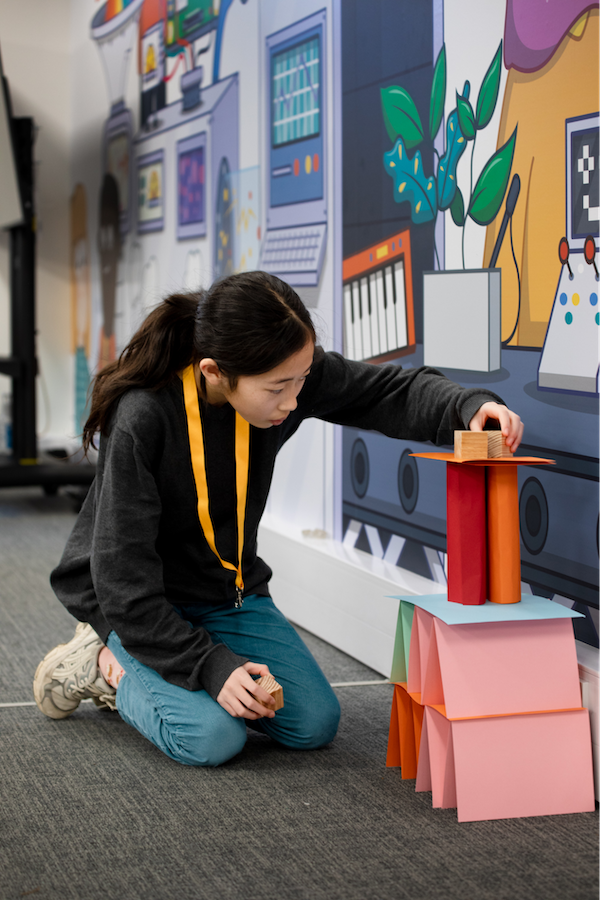
In February, we visited the Waterloo Park Pavilion to host a fringe event to the Norwich Science festival. These workshops ran alongside space-themed craft activities organised by the volunteer group, Friends of Waterloo Park, creating an inclusive and welcoming environment for families. Younger children could take part in the crafts, while older participants explored text-based programming.
Although participants could follow a ready-made example, many chose to design their own personalised images. This creativity, combined with the knowledge that their code would run in space, made for a highly engaging session.
Meanwhile, another team of Raspberry Pi Foundation colleagues were out running Mission Zero at the Northern Ireland Science Festival in Belfast.
Mission Space Lab: A day of problem-solving
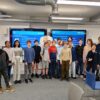
In February 2026, we hosted a Mission Space Lab hackathon at the Code Club in the Foundation’s Cambridge office. Four teams of young people worked together to tackle a real scientific task: calculating the speed of the International Space Station (ISS) as accurately as possible.
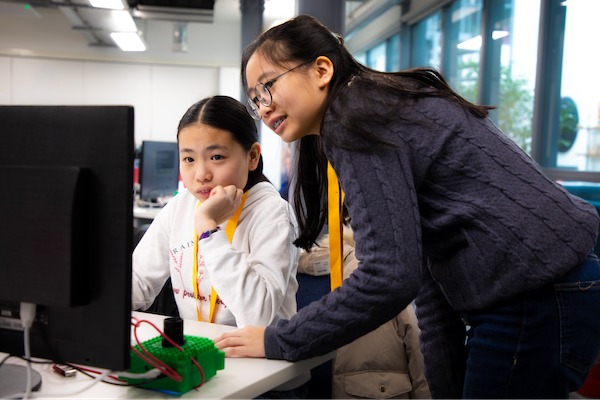
Teams wrote two short Python programs: one that collected data from the Astro Pi computers’ sensors and camera, and one that calculated speed using historical images from the ISS. Then they combined the two programs and edited them to work on the Astro Pi computers aboard the ISS using the Astro Pi Replay tool.
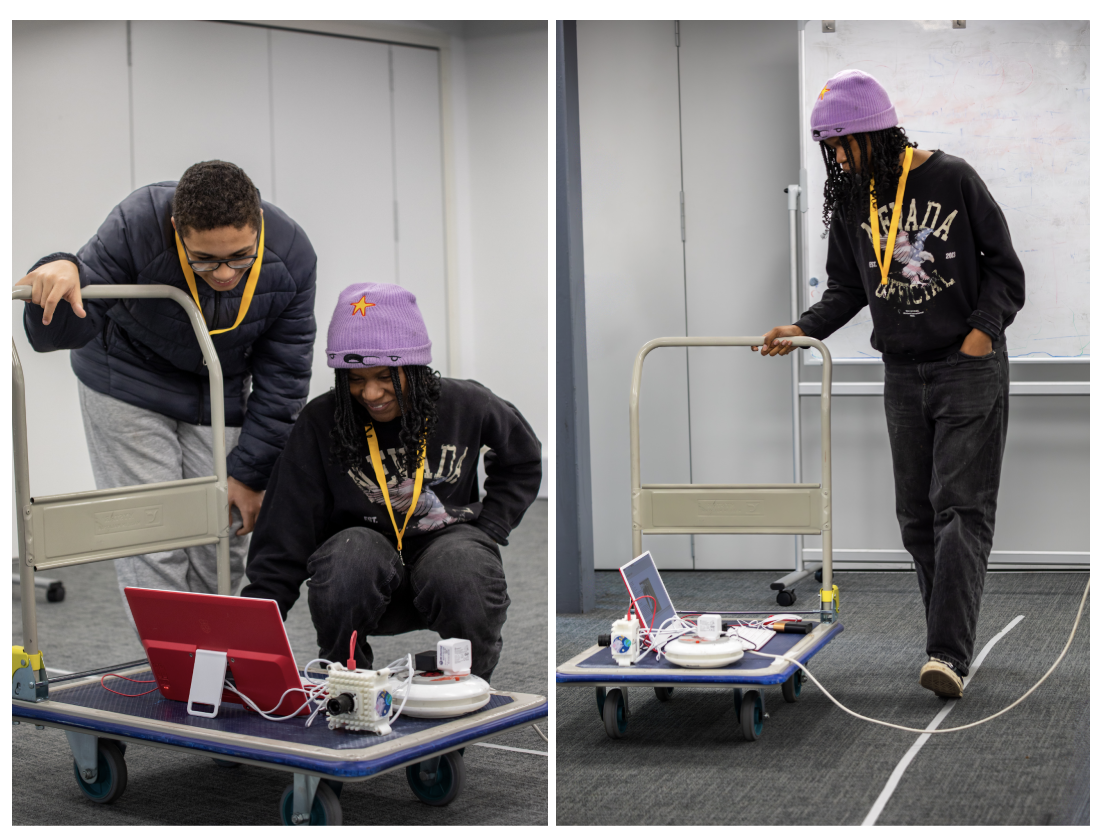
To test their programs, teams used a trolley rigged up with a Camera Module to simulate motion and refine their calculations. The day ended with teams submitting their programs and sharing what they learned, including the challenges they faced and how they overcame them.
Bringing Astro Pi to more communities
All these events and workshops are a reminder of what makes Astro Pi special. Young people are not just learning to code; they are exploring their creativity with it, and applying their skills to a real-world setting — the awesome vastness of space!
If you’d like us to help run an Astro Pi event for teachers or students in your school or community in the UK, then we’d love to hear from you.
Get in touch to find out more: contact@astro-pi.org
If you are in another ESA member state, you can reach out to your local European Space Education Resource Office (ESERO).
No comments
Jump to the comment form