
How can we teach about AI in the arts, humanities and sciences? Research seminar series 2026
For the last five years, once a month, we have hosted an online seminar sharing computing education research. Seminars are organised as usually year-long series with changing themes. In 2025, for example, our theme was ‘Teaching about AI and data science’. In 2024, it was ‘Teaching programming (with or without AI)’.
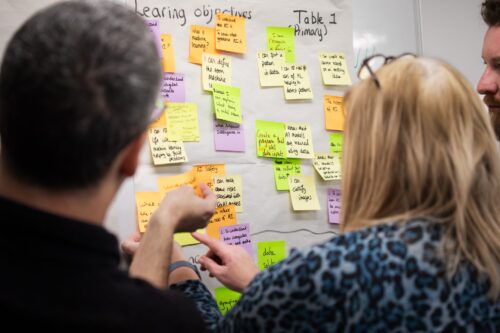
It is not surprising that for the last few years our focus has been on AI technology, and for 2026 we will continue this. But we will shift from showcasing how computing education research is changing teaching and learning in computing lessons, to showcasing how computing education research in other disciplines, such as art or geography, is starting to include teaching about AI. For example, art lessons may change so that learners find out how professional artists are using AI tools to create arts. Or geography lessons may change so that learners discover how professional geographers are using AI to make predictions about physical or human aspects of geography, such as volcanic activity and global warming.
Our series for 2026 is called ‘Applied AI’. This title recognises that AI technology is applied across contexts, across careers, across disciplines, and this means what we teach across school subjects will change.
Encouraging a pull from disciplines, rather than a push from computer science
The majority of resources and professional development material related to teaching about AI have been developed by the computer science community. For example, we have developed the popular Experience AI resources in collaboration with Google DeepMind. In these resources, the contexts were carefully selected to represent real-world examples across disciplines, and to to enable the teaching of particular technical or social and ethical concepts. This could be described as “a push” of content from computing towards other disciplines. For example, to enable teaching about the ethical issues around plagiarism, an art context is used in the Experience AI resources; to enable teaching about the potential benefits of using AI tools, an ecological geography context is used.
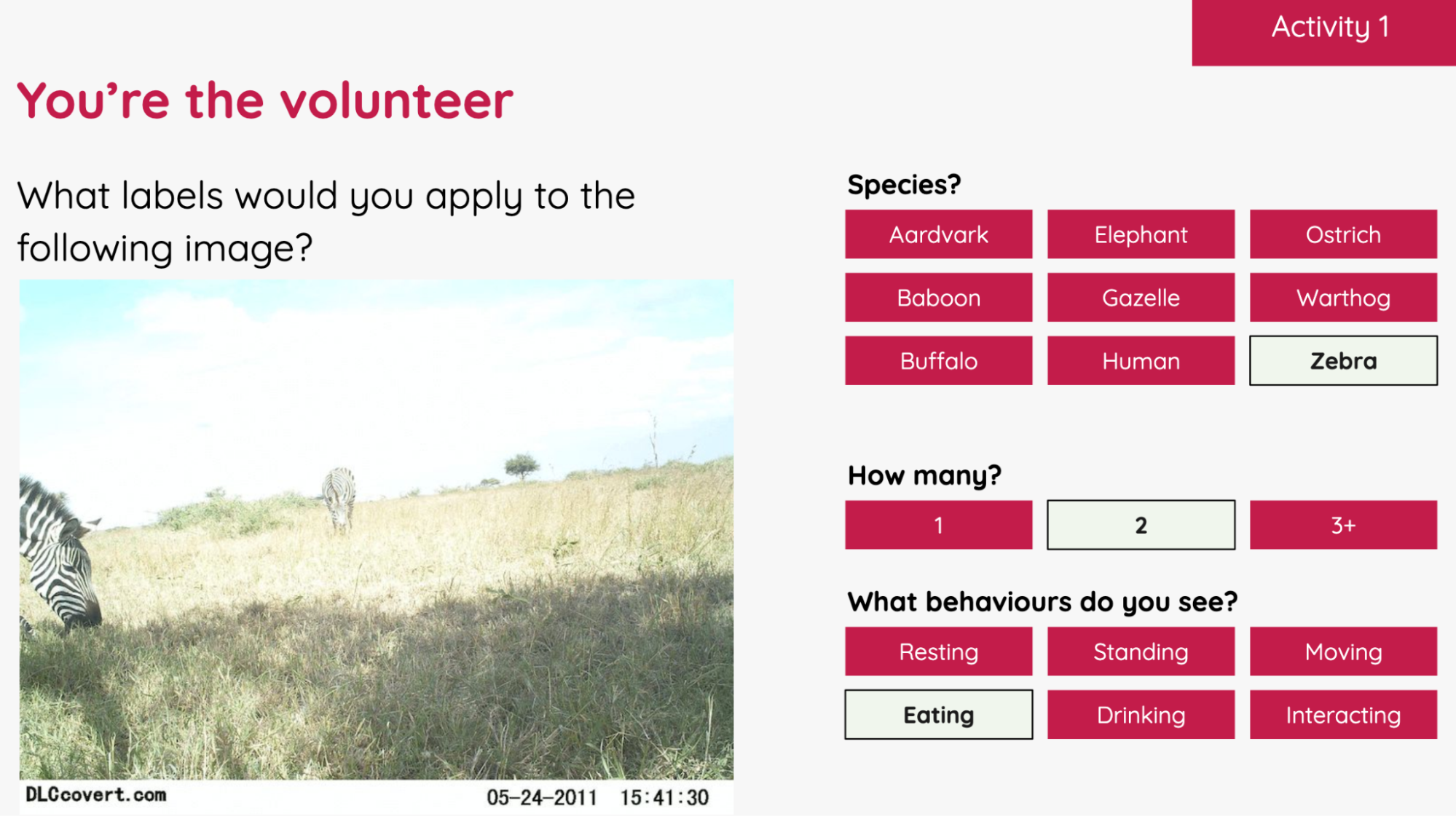
AI applications are always situated within a particular topic. Most current AI applications are data-driven: vast amounts of data are collected and processed to produce models that can then either be used to generate outputs or make predictions. For example, data about artworks can be collected and used to train a model for generating outputs similar to the artworks; this is an application of AI in the art discipline. Or data on wild fires can be collected and used to train a model for making predictions about current or prospective fires; this is an application of AI in the geography discipline.
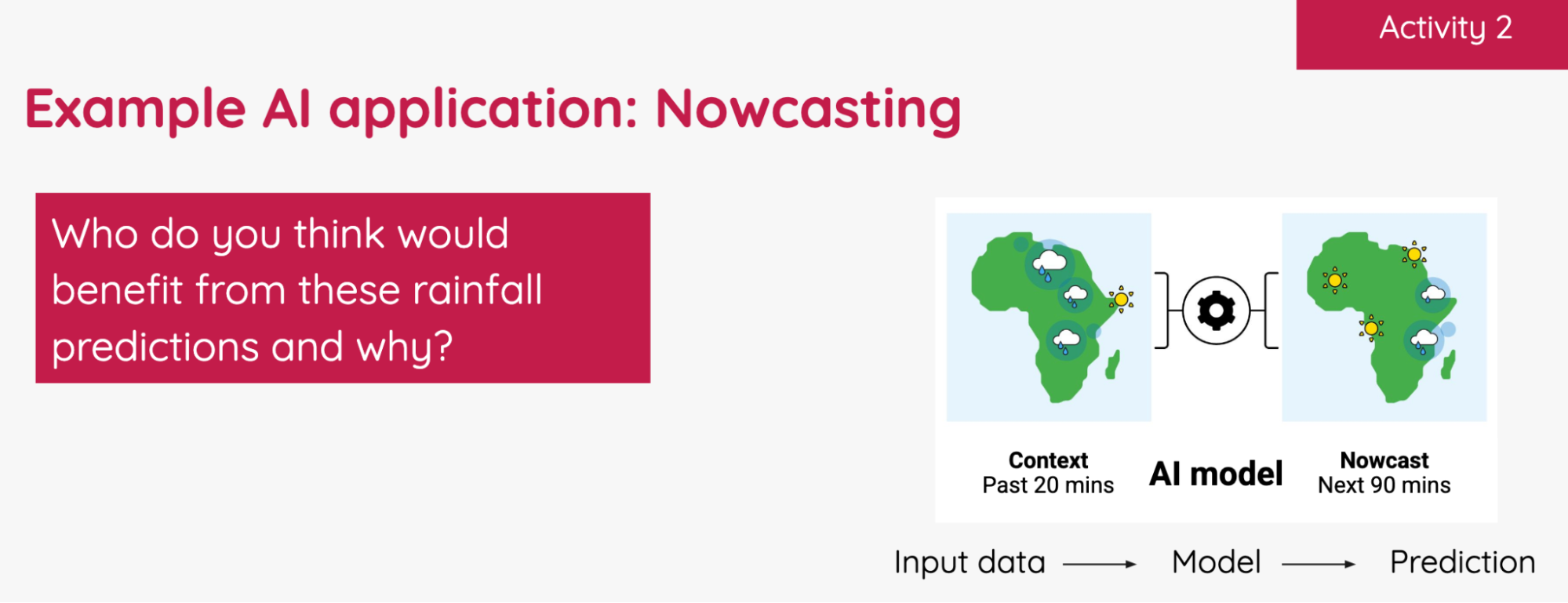
In reality, the best people to recognise how AI technology is being applied in a discipline and what students in that discipline should be taught about these applications are the people working in the discipline, for example the art and geography teachers. Computer science educators can work to build the technical understanding and the general social and ethical understanding that is common across applications. But the detail of how AI technology is changing a discipline can only truly be understood by the respective community, by the artists and art educators, by the geographers and the geography educators.
An emerging focus
At present, though, most educators are grappling with how they can use AI tools for productivity, such as creating lesson plans, or answering emails. Or they are looking at how they can use AI for general teaching and learning, for example for personalisation, say for students with additional needs. The idea that their underpinning discipline is changing is, perhaps, not yet on teachers’ radar. But at universities, such as in undergraduate courses, and in the world of work, education and training are changing. Data science courses are now being offered across faculties, including science, geography, language, and art faculties. These changes will start to filter down to school-based education via curriculum change. While some resources and professional development materials addressing this shift are already becoming available, change is still fragile and patchy.
Raising awareness, building community and a common language
The aims of our Applied AI research seminar series in 2026 are to start to:
- Raise awareness of the forthcoming changes that applying AI will bring to disciplines
- Build a cross-discipline community
- Think about a common language that could be used across disciplines
If we can start to agree on what common concepts could be taught in the arts, sciences and humanities, it gives us a better chance to:
- Understand how to use AI as it is applied in different disciplines
- Help students to build useful mental models and develop the agency and critical thinking skills they need to evaluate these applications and decide when and how to use them and how far to trust them
We need your help
To make our 2026 series a success, we need to spread the word about our seminars to groups of educators, researchers, industry and policy makers across the arts, sciences, and humanities.
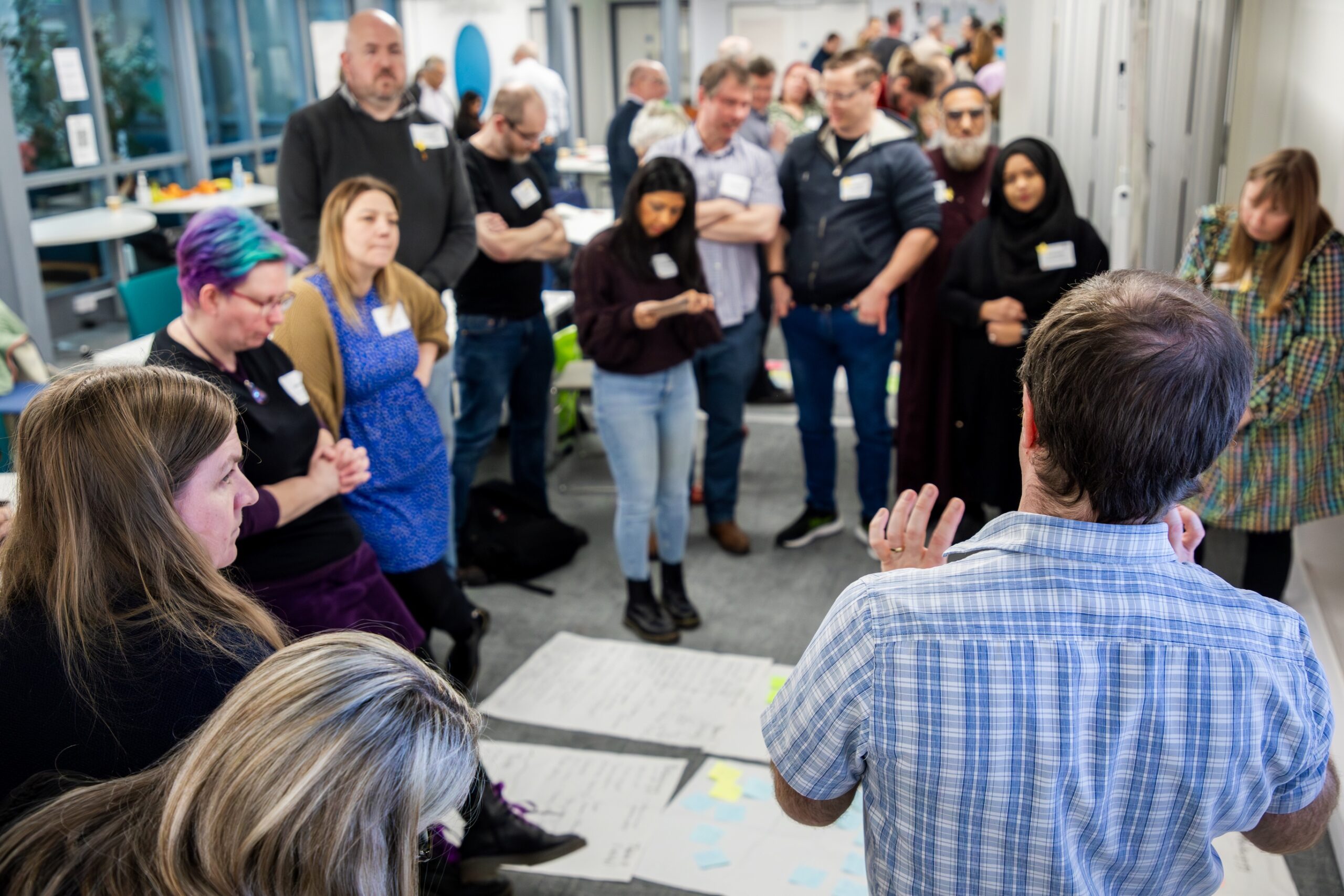
Please tell those you know in these groups about the seminar series, and share it through your social media and other networks. If you have ideas for subject associations we could connect with or publications where we can write about our series, please let us know.
Join our ‘Applied AI’ seminar series
We have already arranged the following seminars across 2026 and will add more speakers for the remaining monthly slots soon. Seminars always take place online on Tuesdays at 17:00 to 18:30 UK time.
- 10 February: Social studies, public policy, economics and AI — Thema Monroe-White (George Mason University, USA)
- 17 March: Arts and AI — Rebecca Fiebrink (University of the Arts London, UK)
- 14 April: Healthcare and AI — Kathryn Jessen Eller (Data Science, AI & You (DSAIY) in Healthcare, USA)
- 14 July: Literacy and AI — Dan Verständig (Goethe University Frankfurt, Germany)
- 8 September: History and AI — Jie Chao (The Concord Consortium)
- 6 October: Robotics and AI — Eleni Petraki & Damith Herath (University of Canberra, Australia)
- 10 November: Geography and AI — Doreen Boyd (University of Nottingham, UK)
To sign up and take part, click the button below. We’ll then send you information about joining. We hope to see you there.
You can view the schedule and details of our upcoming seminars on this page, and catch up on past seminars on our previous seminars page.
PS If you are teaching upper primary school learners in England, you can currently register your interest in our upcoming collaborative study on data science education. You’ll find out more about some of the research we’ve done in this area in this blog post.


No comments