
Travel to the Møller Institute
Documents for entry into the United Kingdom
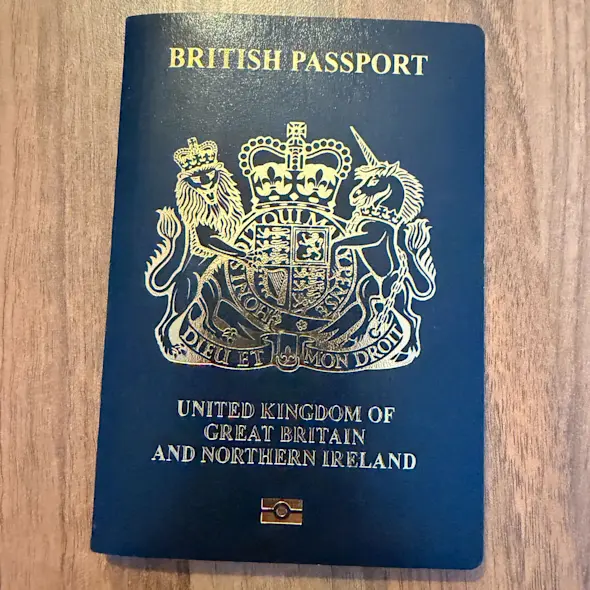
All foreign visitors entering the UK must show a passport valid for the whole of their visit upon entry to the country. The best place to check what documents you need to visit the UK is the UK Government website.
In addition to a passport, you may also need a visa or an electronic travel authorisation (ETA); this Government page lets you check this. There are companies you can pay to help you arrange your travel documents, but be aware that this will likely increase your costs.
We recommend that you do not pay for travel to BITW26 and associated costs until your place is confirmed. We cannot intervene with UK embassies abroad on behalf of any Workshop participant.
Health and wellness
If you feel unwell: Call 111. This is the non-emergency NHS helpline. They will advise you on whether to see a pharmacist, go to a "Minor Injuries Unit," or visit an A&E (Accident & Emergency room).
Pharmacies: Look for Boots or Superdrug. Pharmacists in the UK are highly trained and can give advice (and sometimes prescriptions) for minor ailments like coughs, allergies, or stomach issues.
Emergencies: Dial 999 for police, fire, or ambulance.
Costs: While the NHS is free for residents, visitors are usually charged for hospital treatment. Ensure your Travel Insurance is active.

Cash and payments
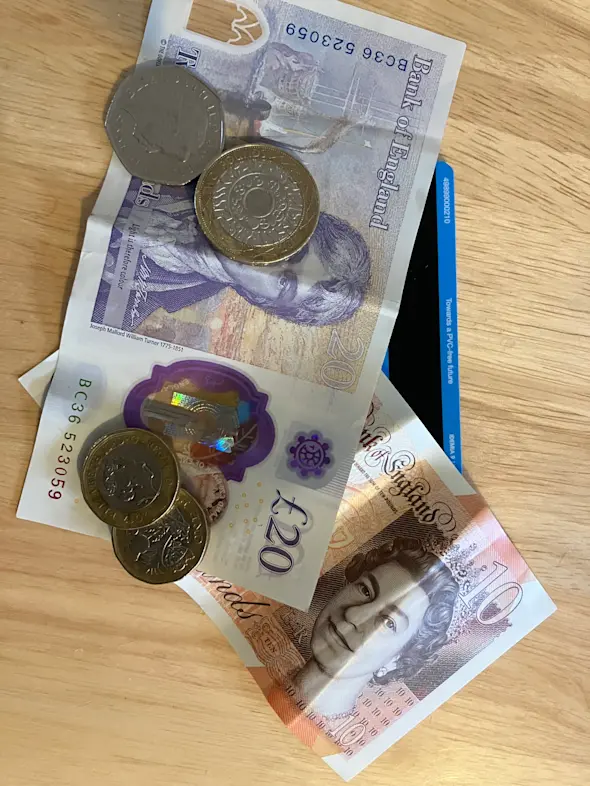
The "Card is King" Rule: The UK can be a cashless society for travellers. You can use Contactless Pay (contactless bank card, Apple Pay, Google Pay, etc) for everything from coffee to taxis.
Do you need cash? We suggest you carry £20–£40 in notes just in case of an emergency, but many places in Cambridge (and London) are now "Card Only."
The local currency in United Kingdom is British pounds (GBP). As of 28 April 2026 100 GBP is equal to 135.3 USD.
Tipping: Not mandatory. In restaurants, a 12.5% service charge is often added to the bill automatically. If not, 10% is polite but not obligatory for casual service.
Electricity and plugs
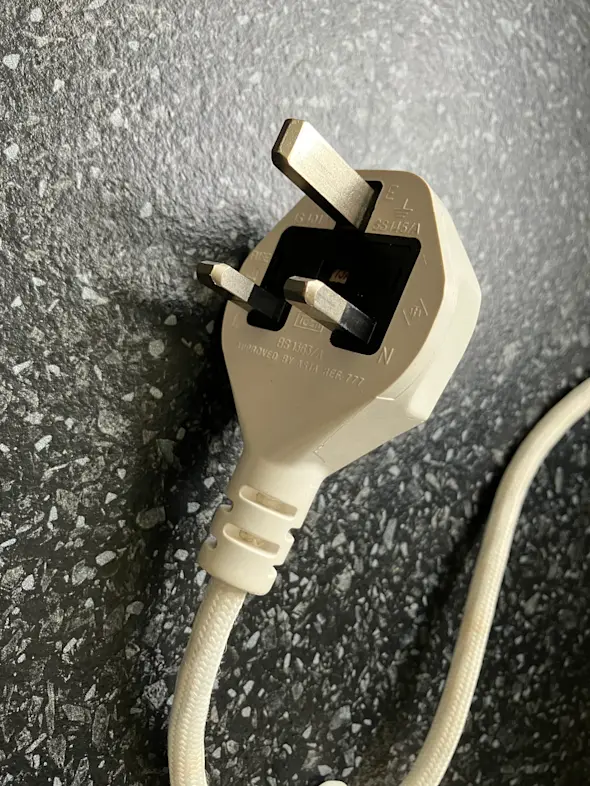
The Plug: You need a Type G adapter (the chunky one with three rectangular pins)
Voltage: The UK runs on 230V
Check your devices: Most modern laptops and phone chargers are "Dual Voltage" (110v–240v), but "single voltage" items like hair dryers or irons from the US/Japan will likely blow a fuse or break without a heavy-duty transformer.
Connectivity and SIM cards
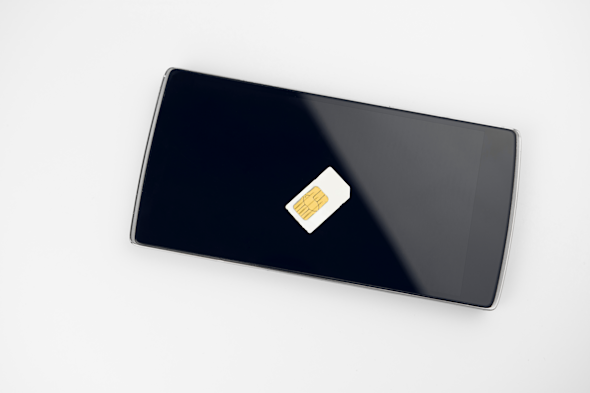
eSIMs (Recommended): Don't bother with physical booths at the airport. Download an app like Airalo or Holafly before you land. You can buy a UK data pack for about $10–$20 and activate it the moment you touch down.
Local SIMs: if you prefer a local number, Voxi or EE offer "Pay As You Go" SIMs at airport vending machines or mobile phone shops in towns and shopping malls.
Cambridge Wi-Fi: Most of the city center is covered by "The Cloud" or "Eduroam" (if you have academic credentials), and almost every café offers free, fast Wi-Fi.
Getting to Cambridge
We recommend that you do not pay for travel to BITW26 and associated costs until your place is confirmed.
Cambridge is easily reached from all London airports and from the London St Pancras International train station.
The best way to arrive at Cambridge is by train. You can find train schedules and routes on the National Rail website. You must buy your ticket before you board the train. Many stations have ticket machines, and you can also purchase tickets online. National Rail will redirect you to purchase tickets from the relevant train operator website, which is usually the most cost-effective ticket option. For any journeys that require you to use London public transport, the cost of this will be included in your ticket.
If you want to explore London before your journey to Cambridge, all travel around London is contactless: you pay for your travel as you go by tapping your card or mobile device on readers at station barriers or on buses.
London Stansted Airport (STN): Hourly direct train to Cambridge; or National Express bus to Cambridge Parkside
London City Airport (LGW): DLR and underground to London King’s Cross station, then direct train to Cambridge
London Gatwick Airport (LGW): direct train from Gatwick to Cambridge; or Gatwick Express to Victoria, then underground to London King’s Cross station, direct train to Cambridge
London Heathrow Airport (LHR): National Express bus to Cambridge Parkside; or Underground to London King’s Cross station, then direct train to Cambridge
London Luton Airport (LTN): National Express bus to Cambridge Parkside; or bus to Luton Station Interchange, train to London St Pancras International, 5-minute walk to London King’s Cross station, direct train to Cambridge
London St Pancras International: 5-minute walk to London King’s Cross station, direct train to Cambridge

Cambridge to the Møller Institute
By car
There is free on-site parking for over 140 cars for delegates visiting the Møller Institute.
The Møller Institute entrance is near the main Churchill College entrance. If you are using a sat nav system, please use the postcode CB3 0DS.
By bus
The most direct bus to the Møller Institute from the city centre is the Citi 4 bus from Drummer Street. It will stop along Madingley Road opposite Churchill College.
The U bus goes from Cambridge Railway Station to Churchill College on Madingley Road.
Information on bus services in Cambridge can be found on the Cambridge City Council website.
By taxi
There is a taxi stand outside Cambridge train station. Veezu and Uber operate in and around Cambridge.
On foot
The Møller Institute, Cambridge (CB3 0DE) is a 55-minute walk from Cambridge Railway Station (CB1 2JW).
You can find more details for how to reach the Møller Institute here.